Ensuring a safe home for your family requires a proactive, comprehensive approach to domestic security, structural integrity, and environmental hazards. Creating a secure sanctuary goes far beyond simply locking the doors at night. It involves evaluating every layer of your living space, from the roof overhead to the foundation below, as well as the digital networks that connect your household to the outside world. By identifying potential risks early and implementing thoughtful, multi-tiered safety strategies, you can protect your loved ones from physical dangers, unexpected accidents, and emerging digital threats.
Structural Integrity and Exterior Maintenance

The exterior shell of your residence serves as the primary barrier against natural elements, severe weather, and physical intrusions. Maintaining this boundary is fundamental to family safety.
Roofing Maintenance and Inspection Strategies
To keep your residence structurally sound, schedule biannual checks of your roofing to detect loose, missing, or damaged shingles before leaks develop. Clear debris from gutters regularly so water flows freely away from the home foundation, preventing structural degradation and water intrusion during heavy storms. Look for signs of interior ceiling discoloration, which often points to hidden roof leaks that can rot timber and foster hazardous mold growth.
Foundation Protection and Drainage Setup
Inspect the perimeter of your foundation for visible cracks, settling, or water pooling near basement walls. Install downspout extenders to direct rainwater at least five feet away from the base of the structure. Maintain proper soil grading around the home exterior so that land slopes downward away from foundation walls to avoid structural erosion over time.
Outer Wall Sealing and Siding Care
Check exterior walls and siding for gaps, cracks, or warping that could allow moisture, cold drafts, or pests to enter. Re-caulk around exterior window frames and door casings to maintain weather-tight seals. Promptly replace or repair cracked vinyl, wood, or brick masonry to maintain structural stability against exterior environmental stressors.
Tree Care and Landscaping Hazard Management
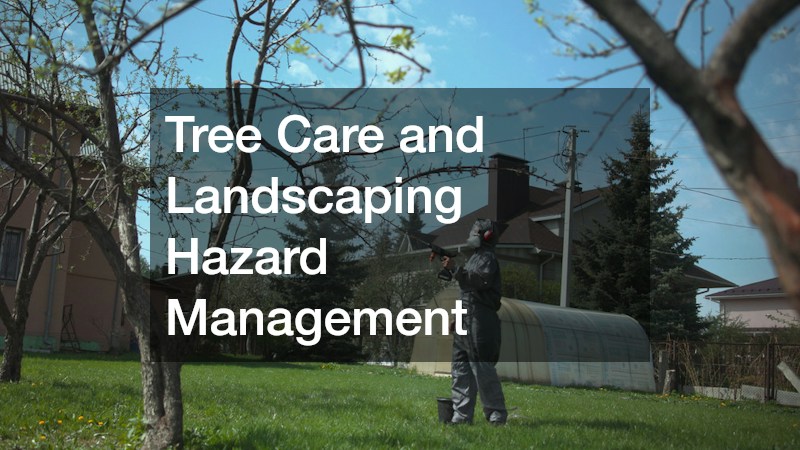
Overhanging branches, decaying trunks, and unkempt landscaping present severe physical risks during severe storms or high winds. Proper arbor care is essential to protecting your physical property and ensuring immediate family safety.
Identifying Diseased or Unstable Trees
Regularly examine mature trees on your property for hollow trunks, dead foliage, fungal growth, or deep structural cracks. Look for leaning trees with exposed or uplifted root systems, which indicate an elevated risk of sudden falling. Call a tree removal service to assess leaning or compromised trees and remove dangerous specimens before major weather events cause structural damage.
Pruning Overhanging Branches
Trim back tree limbs that hang directly over your roof line, porch, or driveway to prevent impact damage during severe weather. Maintain at least a ten-foot clearance between large tree branches and utility wires to reduce fire hazards and power disruptions. Hire a certified tree removal service to safely handle large branches near electrical lines or elevated roof structures.
Managing Roots near House Foundations
Monitor surface root systems that creep toward driveways, walkways, or foundation walls, as they can cause concrete upheaval and tripping hazards. Plant large, fast-growing trees well away from underground plumbing lines to prevent expensive pipe root intrusion. Consult local tree removal services to handle deep root extraction near utility zones without damaging surrounding property structures.
Storm Preparedness and Fallen Branch Management
Clear loose branches, deadwood, and heavy yard debris before windstorm seasons arrive. Secure outdoor patio furniture, play sets, and unanchored lawn decor when high wind warnings are issued. Keep contact details ready for emergency tree removal services in case fallen trunks block driveways, crush structures, or entangle local utility cables during major weather crises.
Modern Home Security Systems and Access Control
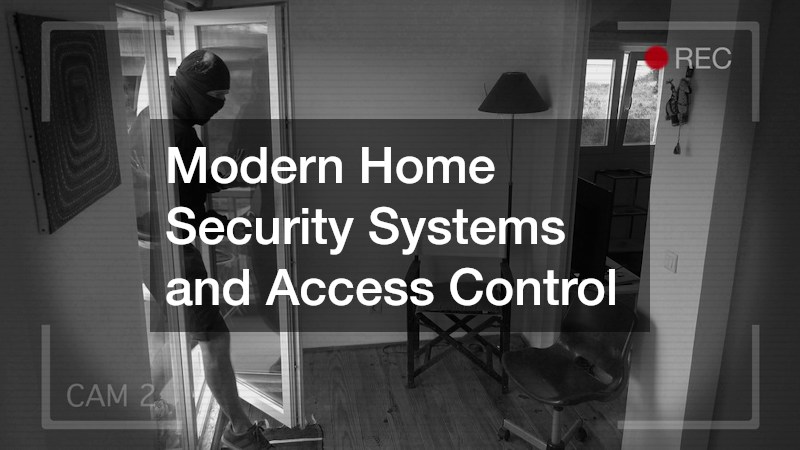
Securing your family against physical threats requires modern technology paired with diligent daily routines.
Smart Door Lock and Deadbolt Upgrades
Upgrade exterior doors with heavy-duty deadbolts featuring anti-drill and anti-pick internal components. Install smart locks that offer remote monitoring, custom access codes, and automated locking schedules. Reinforce entry door frames with elongated strike plates and long steel screws that penetrate directly into the wall framing studs to deter forced entry.
Perimeter Lighting and Motion Sensors
Position motion-activated floodlights around dark exterior corners, side yards, garages, and entryway gates. Use low-voltage LED landscape lighting to illuminate pathways, steps, and perimeter fences, eliminating dark hiding spots. Integrate light timers or smart bulbs to simulate occupancy when your family is away on vacation or extended trips.
Security Camera Placement and Setup
Mount security cameras at primary entryways, garage approaches, and ground-floor window blind spots. Angle cameras to capture clear facial views and vehicle license plates without violating neighboring privacy boundaries. Connect these cameras to local mobile security devices so family members can receive real-time motion alerts and monitor video feeds directly from smartphones or tablets.
Secure Window Locks and Glass Protection
Fit all ground-floor windows with reliable sash locks or secondary locking bars. Apply shatter-resistant security film to sliding glass doors and low-hanging windows to prevent rapid entry through broken glass. Place window sensors on accessible windows to trigger your central alarm system immediately if a glass pane breaks or opens unexpectedly.
Fire Safety Protocols and Prevention Engineering
Fire hazards can develop rapidly, making early detection and robust containment planning essential for saving lives.
Smoke Alarm Placement and Routine Testing
Install interconnected smoke alarms inside every bedroom, outside sleeping areas, and on every level of the home. Test smoke detectors monthly and replace backup batteries at least once a year, or whenever low-battery warnings sound. Replace complete smoke alarm units every ten years to ensure sensor reliability and optimal detection speed.
Fire Extinguisher Care and Placement
Keep multi-purpose fire extinguishers in high-risk zones including the kitchen, garage, workshop, and furnace rooms. Teach all capable family members the basic PASS technique: Pull the pin, Aim low, Squeeze the lever, and Sweep side to side. Inspect pressure gauges monthly to confirm that extinguishers remain fully charged and ready for immediate deployment.
Escape Planning and Drill Execution
Map out two clear escape routes from every room in your home and establish a designated family meeting place outdoors. Practice fire drills twice a year, including nighttime simulations, so children learn to react quickly without panic. Keep escape ladders stored near second-story windows in multi-level houses and ensure windows can open smoothly from the inside.
Specialized Fire Protection Design Standards
Commercial and multi-family residential planners rely on specialized fire protection system design software to map out optimal sprinkler layouts, alarm node placements, and water pressure dynamics before construction begins. Applying these core design concepts to single-family homes means systematically evaluating potential fire pathways, electrical loads, and heat source locations. Customizing your residential safety setup with professional planning techniques ensures comprehensive coverage across every room.
Plumbing, Water Heater, and Utility Safety
Utilities power modern households, but unmaintained systems can pose severe risks of water damage, scalding, and combustion.
Water Pressure and Leak Monitoring
Install a main line water pressure regulator to prevent high-pressure spikes that weaken internal pipe fittings and appliances. Place smart leak sensors near washing machines, refrigerators, sinks, and toilets to receive instant alerts on mobile devices. Regularly check flexible supply hoses for bulging, cracking, or corrosion, replacing rubber lines with braided stainless steel hoses.
Safe Operating Practices for Hot Water Units
Regularly flush water heaters to remove sediment accumulation that reduces heating efficiency and causes tank corrosion. Set the thermostat temperature to 120 degrees Fahrenheit to prevent accidental scalding injuries while preserving energy efficiency. Test the temperature and pressure relief valve yearly to ensure safe release functionality and prevent dangerous internal pressure buildup.
Fuel and Gas Line Inspections
Examine flexible gas connectors attached to stoves, clothes dryers, and heating units for signs of wear or kinking. Install carbon monoxide detectors near gas-burning appliances and near all sleeping areas. Know the exact location of your primary gas shutoff valve and keep the appropriate wrench nearby for fast isolation during emergencies.
Main Water Shutoff Accessibility
Locate your main water shutoff valve and clear away any storage boxes or household clutter that obstructs access. Ensure every adult family member knows how to turn off the main water valve in the event of a burst pipe or severe leak. Test the valve handle yearly to verify that it turns smoothly without sticking or rusting shut.
Digital Security and Cyber Hygiene
As smart home hardware proliferates, securing your family network against digital intrusion becomes just as vital as locking your physical doors.
Router Hardening and Network Segmentation
Change the default factory login credentials on your home Wi-Fi router immediately upon installation. Enable robust network encryption protocols, such as WPA3, and keep router firmware updated to patch newly discovered security vulnerabilities. Create a separate guest network specifically for smart appliances and Internet of Things gadgets to isolate your primary computers and sensitive personal data.
Comprehensive Cybersecurity Services for Homes
Maintaining digital safety across multiple devices often warrants consulting local cybersecurity services to audit home networks, block external intrusion attempts, and configure hardware firewalls. Professional technicians can analyze your entire connected environment, remove malicious software, and implement real-time threat monitoring tailored to your personal family network. Utilizing expert guidance helps safeguard private family records, banking data, and remote work connections.
Strong Password Management and Authentication
Require unique, complex passphrases for every online personal account, avoid password reuse, and store credentials in a reputable digital password manager. Enable multi-factor authentication across all sensitive platforms, including email, banking, and social media networks. Educate household members to reject suspicious links, unexpected email attachments, and online phishing requests.
Parental Controls and Content Filtering
Implement age-appropriate content filters on family network routers to prevent children from accessing harmful web domains. Set reasonable screen time limits and device curfews through integrated control settings on tablets and smartphones. Talk openly with young children about internet privacy, cautioning them never to share location details, school names, or personal photos online.
Sub-Level Space Safety and Renovation Hazards
Basements and below-grade areas offer functional space, but they require diligent upkeep to eliminate hazards like radon, excess humidity, and electrical risks.
Sump Pump Testing and Maintenance
Inspect your sump pump pit regularly, removing debris that could block the intake screen or float switch. Pour a bucket of water into the basin periodically to verify that the pump activates and discharges water properly away from your house. Install a battery-powered backup sump pump system to keep subterranean spaces dry during heavy storms accompanied by local power outages.
Moisture and Mold Prevention
Maintain basement humidity levels below fifty percent using heavy-duty dehumidifiers to inhibit toxic mold and mildew growth. Ensure crawl space vapor barriers remain properly installed, clean, and free of rips. Inspect subterranean walls for efflorescence or damp spots, treating water seepage immediately before finishing interior walls.
Professional Subterranean Remodeling Standards
Transforming lower-level storage spaces into livable rooms requires proper insulation, moisture abatement, and adherence to municipal building codes. Hiring a licensed basement finishing contractor ensures that framing materials, egress windows, and electrical circuits are installed according to safety standards. Expert builders know how to handle subterranean moisture barriers correctly, ensuring long-term structural integrity and safe indoor air quality for your family.
Emergency Egress and Window Well Maintenance
Equip finished basement bedrooms with code-compliant egress windows that allow easy escape during fires or emergencies. Install clear window well covers to prevent children and pets from falling into deep exterior window pits. Keep window wells clean of leaves, mud, and snow so emergency exit routes remain clear at all times.
Indoor Air Quality and Chemical Safety
Clean indoor air and safe chemical storage prevent chronic respiratory issues and accidental household poisonings.
Radon Testing and Mitigation
Test subterranean living areas for invisible radon gas using low-cost long-term test kits or digital monitors. If radon levels exceed federal action thresholds, install an active radon mitigation system featuring a vent pipe and continuous exhaust fan. Re-test indoor air every two years to verify that mitigation systems remain effective.
Safe Chemical and Medication Storage
Keep household cleaners, pesticides, paints, and automotive fluids locked securely in original containers inside elevated cabinets. Store prescription medications in locked lockboxes or secure medicine cabinets out of reach of young children. Keep the National Poison Control center phone number posted clearly near family phones or on the refrigerator.
Ventilation and HVAC Maintenance
Change HVAC air filters every one to three months to remove dust, pollen, and airborne allergens from circulating air. Schedule annual professional tune-ups for heating and cooling equipment to optimize system performance and verify safe combustion venting. Clean kitchen exhaust hood filters regularly to prevent grease buildup that can ignite during cooking.
Carbon Monoxide Safety Measures
Place carbon monoxide alarms on every level of the home, particularly near fuel-burning appliances and outside sleeping zones. Never operate gasoline-powered generators, charcoal grills, or lawn equipment inside attached garages, basements, or enclosed porches. Have fuel-burning furnaces, water heaters, and fireplaces inspected annually by qualified technicians to prevent toxic gas leaks.
Childproofing and Fall Prevention
Preventing everyday physical injuries requires tailored interior safeguards, especially when young children or aging relatives live under your roof.
Furniture Anchoring and Anti-Tip Straps
Anchor tall dressers, bookcases, filing cabinets, and heavy entertainment units securely to wall studs using sturdy anti-tip straps. Wall-mount flat-screen televisions or secure them firmly to heavy furniture bases to prevent tipping accidents. Place heavier items on lower shelves to lower the overall center of gravity of storage units.
Staircase Safety and Handrail Stability
Ensure handrails line both sides of all staircases, extending the full length of the steps without loose support brackets. Install sturdy safety gates at the top and bottom of stairs if infants or toddlers are present in the home. Keep stairways well-lit with clear light switches at both ends and keep steps free of toys, shoes, and clutter.
Window Guard and Cord Safety
Install window guards or stops on upper-story windows to prevent accidental falls, ensuring adults can easily disengage them in fire emergencies. Replace corded window blinds with cordless designs to eliminate strangulation risks for young children and pets. Keep beds, chairs, and play furniture positioned away from second-story windows.
Slip Prevention in Bathrooms
Place non-slip suction mats or adhesive non-skid strips inside bathtubs and shower stalls to prevent fall injuries. Secure bath mats with rubber non-skid backings to prevent them from sliding on slippery tile floors. Mount sturdy, wall-anchored grab bars inside shower enclosures to assist family members of all ages and mobility levels.
Electrical System Safety and Overload Protection
A modern home relies heavily on electricity, making proper wiring, outlet protection, and circuit management essential for avoiding shock and fire hazards.
Ground Fault Circuit Interrupter (GFCI) Installation
Ensure GFCI outlets are installed in high-moisture areas including kitchens, bathrooms, garages, basements, and outdoor locations. Test GFCI outlets monthly by pressing the test button to confirm they cut power instantly during fault conditions. Replace worn or malfunctioning outlets promptly to maintain continuous shock protection across moist zones.
Arc Fault Circuit Interrupter (AFCI) Protection
Install AFCI breakers in your main electrical panel to detect dangerous electrical arcing that standard breakers miss. AFCI devices protect bedroom circuits and main living areas from high-temperature electrical arcs caused by damaged wiring or damaged appliance cords. Consult a licensed electrician to upgrade older electrical panels with modern arc-fault protection.
Managing Extension Cords and Power Strips
Never run extension cords beneath rugs, carpets, or across doorway foot traffic paths where they can fray unseen. Avoid daisy-chaining power strips together or overloading single outlets with high-wattage appliances like space heaters and microwave ovens. Use extension cords only as temporary power solutions rather than permanent household wiring fixes.
Electrical Panel Inspections and Labeling
Keep the main electrical panel clear of household storage box obstructions, maintaining at least three feet of open access space. Label every circuit breaker clearly so family members can quickly isolate power to specific rooms during maintenance or emergencies. Schedule a professional electrical audit if lights flicker continuously or if circuit breakers trip repeatedly.
Creating a safe domestic environment requires continuous attention across physical, digital, and structural domains. By systematically addressing exterior hazards, upgrading interior systems, and establishing proactive safety routines, you minimize everyday risks and foster a secure environment where your entire family can thrive. Taking simple, deliberate precautions today ensures lasting comfort, resilience, and peace of mind for years to come.