
Raising a child in today’s fast-paced world is a complex, beautiful, and sometimes overwhelming journey. The old proverb that “it takes a village to raise a child” has never felt more accurate, yet the structure of that village has fundamentally shifted. For modern families, the village is no longer just an extended network of relatives living down the street. Instead, it is comprised of local business owners, dedicated educators, passionate healthcare professionals, and community mentors who step in to support a child’s developmental, emotional, and physical growth.
The mental load of parenting—balancing a budget, managing tight schedules, ensuring academic readiness, and maintaining household health—can easily lead to burnout. Parents are constantly forced to wear multiple hats, acting as amateur teachers, health advocates, and event coordinators. Trying to manage all of these responsibilities in isolation is not only exhausting but also limits the breadth of experiences a child can access.
Partnering with trusted neighborhood services allows parents to share this load, tap into specialized expertise, and create a richer environment for their children. By deliberately building a network of local businesses, families can streamline their daily routines, reduce stress, and ensure their children receive a well-rounded foundation. This comprehensive guide explores how local enterprises serve as essential pillars of support, helping parents raise resilient, happy, and healthy children.
1. Nurturing Cognitive and Social Development in the First Five Years
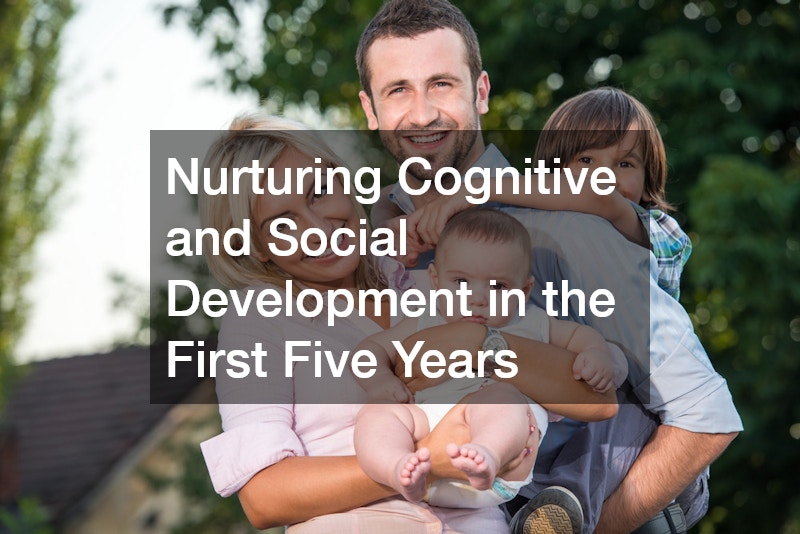
Structured early education programs offer a level of socialization that is difficult to replicate at home. In these environments, young children learn the foundational rules of human interaction, such as sharing, waiting their turn, cooperating on group projects, and expressing empathy for their peers. They are introduced to routines, boundaries, and transitions, which significantly ease the eventual adjustment to formal kindergarten.
When evaluating early learning environments, parents should look for programs that utilize research-backed curricula. High-quality preschools introduce children to foundational literacy and numeracy through structured play, storytelling, and hands-on exploration. These institutions ensure that early academic concepts are delivered in a way that respects a child’s developmental readiness, fostering a lifelong love for discovery rather than a sense of academic pressure.
Furthermore, comprehensive early childhood education programs focus heavily on the holistic development of the child, addressing fine and gross motor skills, emotional regulation, and problem-solving abilities alongside traditional pre-academic skills. Trained educators in these settings can identify developmental delays early, allowing for timely interventions that can change a child’s entire learning trajectory.
2. Securing Reliable and Strategic Care Solutions for Working Families
For dual-income households or single parents, securing dependable, high-quality care during working hours is one of the most stressful aspects of family management. Parents need to know that while they are at work, their children are not just being minded, but are actively safe, nurtured, and engaged in meaningful activities.
Finding the right care solution requires a systematic evaluation of local providers. Parents must look beyond basic convenience and investigate staff-to-child ratios, background check policies, emergency preparedness, and the philosophy of the care team. A facility that prioritizes open communication, transparent policies, and regular updates can transform daily separation from a source of anxiety into a routine of confidence.
Enrolling a child in a reputable local child care center ensures that the child spends their day in a secure, licensed environment designed specifically for young learners. These centers provide consistent schedules, balanced meals, and age-appropriate physical spaces that encourage safe exploration and social play throughout the day.
At the same time, balancing quality with financial reality remains a major hurdle for modern households. Finding affordable child care options that do not sacrifice safety, hygiene, or caregiver qualifications is a primary goal for parents aiming to keep their household budget stable while sustaining their professional careers.
3. Establishing Positive Lifelong Dental Habits Early
Physical health is a cornerstone of a child’s overall well-being, and oral health is a vital, yet sometimes overlooked, component of that foundation. Pediatric dental health influences a child’s ability to chew properly, speak clearly, and feel confident in social interactions. Neglecting oral care early in life can lead to chronic discomfort, infections, and long-term alignment issues.
Introducing children to clinical settings at an early age can be challenging due to natural childhood anxieties surrounding medical equipment, loud noises, and unfamiliar environments. Parents can mitigate this fear by preparing their children through role-play at home, using positive terminology, and choosing a practice that understands pediatric psychology.
Partnering with specialized family dentists ensures that oral health care becomes an integrated, stress-free routine for the entire household. These family dentists create welcoming environments, use smaller tools, and focus on patient education, teaching children how to brush and floss effectively while reframing dental checkups as positive experiences.
4. Supporting Emotional Wellness and Mental Health for the Whole Family

A child’s emotional stability is directly linked to the health of their home environment and the emotional well-being of their primary caregivers. In an increasingly complex and connected world, both parents and children face unique stressors, from academic pressures and social dynamics to the exhausting demands of modern work-life balance.
Nurturing emotional resilience requires a proactive approach to mental well-being within the household. This involves establishing open channels of communication where children feel safe expressing difficult emotions like anger, sadness, or anxiety without fear of judgment or immediate reprimand. It also involves parents modeling healthy coping mechanisms, such as taking breaks, practicing mindfulness, and setting healthy digital boundaries.
When family dynamics become strained or a child exhibits prolonged behavioral changes, accessing professional resources is a sign of strength and proactive parenting. Dedicating time and energy to the family’s collective mental health through local counseling, support groups, or family therapy helps process trauma, resolve conflicts, and establish healthier communication patterns.
5. Fostering Coordination, Confidence, and Self-Expression Through Movement
While academic achievement and emotional health are vital, physical literacy is equally critical to a child’s complete development. Engaging in structured physical activities outside of regular school hours helps combat sedentary lifestyles, improves cardiovascular health, and refines complex motor skills that are not fully developed through free play alone.
Structured movement activities teach children valuable lessons about body awareness, spatial relationships, and physical discipline. Through repetitive practice and goal setting, children learn that physical capabilities are built over time through effort and dedication. This builds a robust sense of self-confidence that carries over into their academic and social lives.
Enrolling a child in a neighborhood dance school provides an excellent avenue for developing exceptional balance, flexibility, strength, and core stability. This form of physical expression allows children to channel their energy productively, learn choreography, and experience the satisfaction of performing as part of a synchronized group.
6. Stimulating Intellectual Growth and Focus Through Musical Education
The study of music has long been recognized as a powerful catalyst for cognitive development. When a child learns to read music and play an instrument, they are engaging multiple areas of their brain simultaneously, including the visual, auditory, and motor cortices. This multisensory workout strengthens neural pathways, enhancing skills that are beneficial across all academic disciplines.
Research consistently demonstrates a strong correlation between musical training and advanced development in spatial-temporal reasoning, mathematical concepts, and language acquisition. Furthermore, learning an instrument demands a high degree of sustained attention, patience, and executive function, helping children develop the focus necessary to tackle complex academic subjects.
Visiting a community music store is often the first step in a child’s artistic journey, providing a space where they can interact with different instruments, feel their weights, and hear their distinct tones under the guidance of knowledgeable staff. These local hubs frequently offer instrument rental programs, sheet music, and connections to qualified private instructors, lowering the barrier to entry for curious families.
7. Transforming Daily Grooming and Routines into Fun Milestones

As children grow, they encounter numerous routine tasks and grooming requirements that can easily become points of friction between parents and toddlers. Activities like nail trimming, hair brushing, and haircuts often trigger sensory overload or behavioral resistance due to the proximity of sharp tools, strange sounds, and the requirement to sit still for extended periods.
Managing these everyday milestones successfully requires patience, preparation, and the right environment. Parents can ease anxiety by reading books about grooming, explaining the process beforehand, and scheduling appointments during times when the child is well-rested and fed. Choosing businesses that specialize exclusively in serving children can make a massive difference in how these events unfold.
Taking a child to a dedicated kids barber shop turns a potentially frightening chore into a highly anticipated, enjoyable treat. These specialized establishments are designed with young children in mind, featuring whimsical seating shaped like vehicles, entertaining distractions, and staff members who are explicitly trained to handle squirming or frightened clients with patience and gentleness.
8. Cultivating Financial Responsibility through Strategic Extracurricular Budgeting
Raising well-rounded children involves introducing them to a variety of activities, but the cumulative costs of lessons, gear, uniforms, and tournament fees can quickly strain a household’s financial resources. Managing these expenses without depriving children of enrichment opportunities requires strategic planning, disciplined budgeting, and open communication about financial realities.
Parents can optimize their extracurricular spending by prioritizing activities that align closely with their child’s current interests and developmental needs, rather than enrolling them in every available program simultaneously. Many community organizations, recreation departments, and local businesses offer seasonal packages, sibling discounts, or sliding-scale fees that make high-quality programming accessible to a broader demographic.
When families are selecting enrichment activities, it is wise to browse a neighborhood music store to look for certified pre-owned or refurbished instruments, which can significantly reduce the upfront investment required for a child beginning their musical education. Many of these shops also offer rent-to-own programs that allow parents to test a child’s commitment before committing to a major purchase.
9. Integrating Academic Support and Play in the Neighborhood Landscape
After-school programs, tutoring centers, and educational play spaces play a vital role in this ecosystem. They bridge the gap between the end of the school day and the time parents return from work, providing a structured yet relaxed environment where children can complete homework, receive targeted academic assistance, and engage in constructive social activities.
Many neighborhood preschools design their extended-day programs specifically to support working parents, offering a smooth transition from morning academic instruction to afternoon recreational play within the same secure facility. This continuity reduces the number of transitions a young child must navigate in a single day, minimizing behavioral fatigue and emotional meltdowns.
Furthermore, seeking out a community-focused local child care center that offers robust school-age programs ensures that older children have access to quiet study areas, reference materials, and mentors who can help clarify challenging academic concepts. This local support system empowers parents, knowing that their child’s afternoon hours are spent productively in an environment that values curiosity and learning.
10. Navigating Early Milestones with Affordable Community Resources

The journey of parenting is marked by a continuous series of developmental milestones, from the first steps and spoken words to the transition into formal schooling and independent hobbies. Each milestone introduces new joy, but also new logistical challenges and financial responsibilities that parents must navigate.
To keep household stress minimal, parents should actively seek out community resources that provide high-quality support at manageable price points. Utilizing public libraries, community centers, and local business promotions allows families to expose their children to a diverse array of experiences without jeopardizing their long-term financial health.
When planning for early educational milestones, seeking out subsidized or highly competitive early childhood education programs ensures that children receive top-tier preparation for kindergarten without placing an undue burden on the family’s monthly disposable income. Many local non-profits and community organizations partner with businesses to offer grants and scholarships for these essential programs.
Similarly, keeping an eye out for vetted, affordable child care initiatives within the community allows parents to maintain steady employment and financial security during the years when childcare costs are at their highest. By leveraging these local, cost-effective resources, families can invest their saved resources into long-term goals like college funds, healthcare savings, and stable housing.
By actively engaging with and supporting these neighborhood institutions, parents can significantly alleviate their daily mental load, reclaim valuable time, and reduce household stress. Ultimately, curating a dependable local village empowers parents to step out of survival mode and focus on what truly matters: enjoying the journey of watching their happy, healthy children grow.