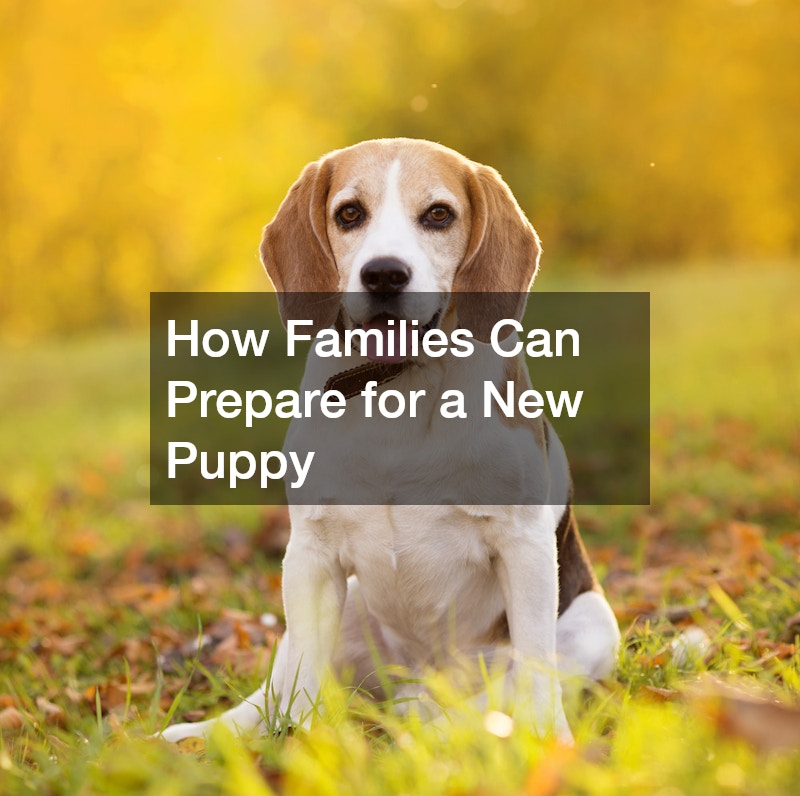
Bringing a new puppy into a family is exciting, emotional, and often overwhelming. Puppies change daily routines, household priorities, and even how family members interact with one another. While the early weeks are full of joy, they can also be marked by confusion, exhaustion, and frustration if preparation is rushed or incomplete.
Families who take time to plan before their puppy arrives tend to experience smoother transitions, fewer behavioral challenges, and less stress overall. Preparing children, setting up the home, establishing expectations, and thinking through long-term responsibilities all play a role in creating a positive experience. A puppy is not just a short-term commitment—it is a living, learning family member who depends on structure, patience, and consistency.
This guide walks families through every significant area of preparation, from daily routines to long-term health decisions, so everyone in the household feels confident and ready.
Establishing Daily Routines Before the Puppy Arrives
One of the biggest adjustments families face is how much structure a puppy needs. Puppies thrive on predictable routines, and setting those routines before the puppy comes home helps avoid chaos during the first few weeks.
Daily schedules should include feeding times, potty breaks, play sessions, rest periods, and quiet time. While routines can be flexible, consistency helps puppies feel secure and speeds up learning.
When thinking about puppy training, families should plan for short, frequent sessions rather than long ones. Puppies have limited attention spans, especially in the early months.
Helpful planning steps include:
-
Mapping out morning and evening schedules to ensure someone is available for potty breaks
-
Coordinating work and school schedules to avoid long periods alone
-
Deciding who handles feeding, supervision, and nighttime routines
-
Setting expectations for weekends versus weekdays
Puppy training works best when everyone follows the same rules. Families should agree ahead of time on boundaries such as:
-
Whether the puppy is allowed on furniture
-
Where sleeping areas will be
-
How will treats be used
-
Which commands will be taught first
Writing these decisions down or posting them on the fridge can help prevent confusion and mixed signals that slow progress.
Teaching Children How to Interact Safely and Respectfully
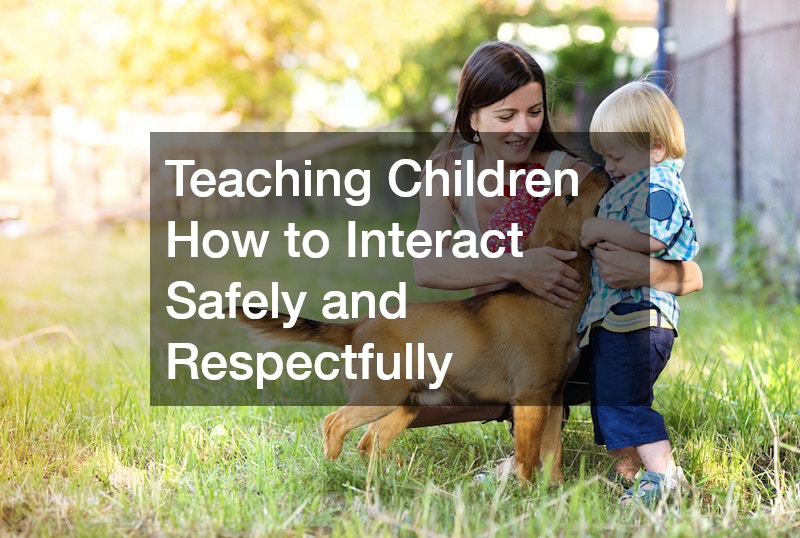
Children and puppies often form strong bonds, but those relationships need guidance. Puppies do not automatically understand human behavior, and children may not recognize when a puppy is overwhelmed, tired, or stressed.
Before the puppy arrives, families should talk openly with children about expectations. This includes explaining that puppies need rest, gentle handling, and space.
Using principles from dog behavior training helps families prevent common issues such as nipping, fear responses, or defensive behavior. Children should be taught to:
-
Avoid hugging or grabbing the puppy
-
Let the puppy approach them rather than chasing
-
Stop playing when the puppy shows signs of stress
-
Respect sleeping and eating times
Parents play a key role in modeling calm interactions. Children often copy adult behavior, so consistency matters.
It is also helpful to:
-
Assign age-appropriate responsibilities, such as filling water bowls or helping with brushing
-
Establish supervised playtimes rather than constant access
-
Teach children how to use calm voices and slow movements
When children understand how dogs communicate, they feel more confident, and the puppy feels safer in the home.
Preparing Indoor and Outdoor Spaces for Puppy Safety
A curious puppy can find trouble quickly, especially in a home that hasn’t been prepared. Puppy-proofing should happen before the puppy arrives, not after something gets chewed or swallowed.
Inside the home, families should:
-
Secure electrical cords and power strips
-
Remove small objects from floors and low shelves
-
Block access to stairs or unsafe rooms
-
Store cleaning supplies and medications out of reach
Designating specific areas for rest, play, and feeding helps puppies learn boundaries early. Using gates or playpens can prevent overstimulation and accidents.
Outdoor spaces also deserve careful attention. Fencing should be checked for gaps, sharp edges, or weak spots. Yards with natural grass may become muddy, uneven, or challenging to sanitize during potty training.
Some families consider artificial grass as an alternative because it:
-
Drains efficiently
-
Reduces tracking dirt indoors
-
Minimizes exposure to pests
-
Creates a consistent potty area
Whatever surface is chosen, the goal is to create a safe, clean environment where the puppy can explore without unnecessary risks.
Planning Your Puppy’s First-Year Health Care Timeline
Early medical planning sets the foundation for a healthy life. Families should research providers and schedule initial appointments as soon as possible after bringing the puppy home.
A trusted veterinary clinic helps guide families through the first year, which typically includes multiple visits for exams, growth tracking, and preventive care.
One of the most important topics during early visits is pet vaccines. These protect puppies from serious illnesses and are usually given in a series over several months.
Families should:
-
Ask for a clear vaccination schedule
-
Understand which vaccines are required versus optional
-
Keep all records organized and accessible
-
Ask questions about side effects and aftercare
Budgeting for these visits in advance reduces financial stress. Preventive care may seem costly upfront, but it often prevents far more expensive issues later.
Choosing Reliable Medical Support for Ongoing Care
Not all medical needs are routine, and families should know where to turn if more advanced care becomes necessary. While regular checkups may happen at a smaller practice, certain situations—such as severe illness, injury, or complex surgical needs—require access to an animal hospital equipped with specialized resources and staff. Understanding what an animal hospital can provide ensures families can act quickly and appropriately when urgent care is needed.
An animal hospital typically offers a range of services that go beyond routine wellness care, including:
-
Diagnostic imaging – Access to X-rays, ultrasound, and other imaging technologies enables accurate evaluation of injuries or internal conditions that cannot be assessed by a standard examination.
-
Surgical services – From routine procedures to emergency surgery, an animal hospital is equipped to perform operations safely with trained staff and proper anesthesia monitoring.
-
Specialized treatments – Some conditions may require advanced therapies, such as IV fluids, wound management, or specialized medication regimens, which may not be available at smaller clinics.
-
Extended monitoring – Puppies recovering from surgery or serious illness may require overnight or extended monitoring to ensure their safety and rapid response to any complications.
Families should research options before an emergency arises to avoid unnecessary stress during critical moments. Key questions to consider when evaluating an animal hospital include:
-
What services are offered on-site? – Understanding the full range of services helps families choose a facility that meets their puppy’s potential medical needs.
-
Are specialists available if needed? – Certain conditions may require veterinary specialists, such as orthopedic surgeons or cardiologists, and knowing their availability in advance is crucial.
-
How are after-hours cases handled? – Emergencies can occur at any time, so families should know whether the hospital has a 24/7 emergency service, on-call staff, or a referral system.
-
What payment options are accepted? – Being aware of accepted payment methods, insurance compatibility, and potential costs allows families to prepare financially and avoid delays in care.
Knowing where to go ahead of time saves valuable time and reduces panic during stressful situations. It also helps families maintain a sense of control, ensures the puppy receives appropriate care quickly, and allows parents and children to focus on supporting their puppy rather than navigating uncertainty.
Creating an Emergency Plan Every Family Member Knows
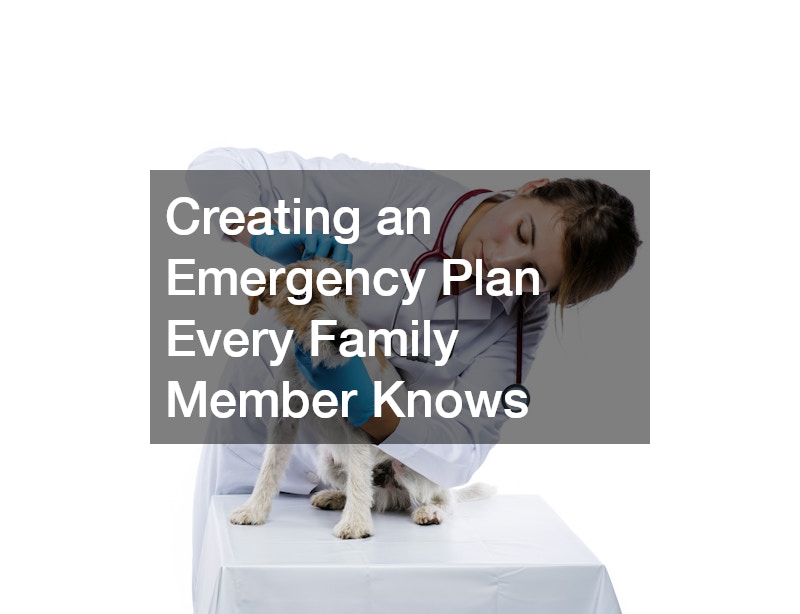
Emergencies are rare, but preparation is essential. Families should talk openly about what constitutes an emergency and how to respond.
Common emergency signs include:
-
Difficulty breathing
-
Sudden collapse
-
Ingestion of toxic substances
-
Severe vomiting or diarrhea
-
Uncontrolled bleeding
Families should locate nearby animal emergency services and keep contact information readily available. Posting emergency numbers in the kitchen or saving them in phones ensures quick access.
An emergency plan should include:
-
Directions to the facility
-
Who will transport the puppy
-
Who will stay with the children if needed
-
What items to bring, such as medical records
Preparing a small emergency kit with towels, a leash, and basic supplies can also be helpful.
Building a Grooming Routine Early to Avoid Future Stress
Grooming is not just about appearance—it also affects comfort, hygiene, and health. Puppies who are introduced to grooming early are often calmer and more cooperative as adults.
Families should begin handling paws, ears, and mouths gently at home. Short, positive sessions help puppies associate grooming with comfort rather than fear.
In some cases, working with a local dog grooming company can be beneficial, especially for breeds with specific coat needs. Professionals can:
-
Trim nails safely
-
Introduce proper bathing techniques
-
Identify early skin or coat issues
-
Help puppies get used to new environments
Choosing a groomer experienced with young dogs makes the process smoother and reduces stress for everyone involved.
Planning Ahead for Travel, Work, and Family Commitments
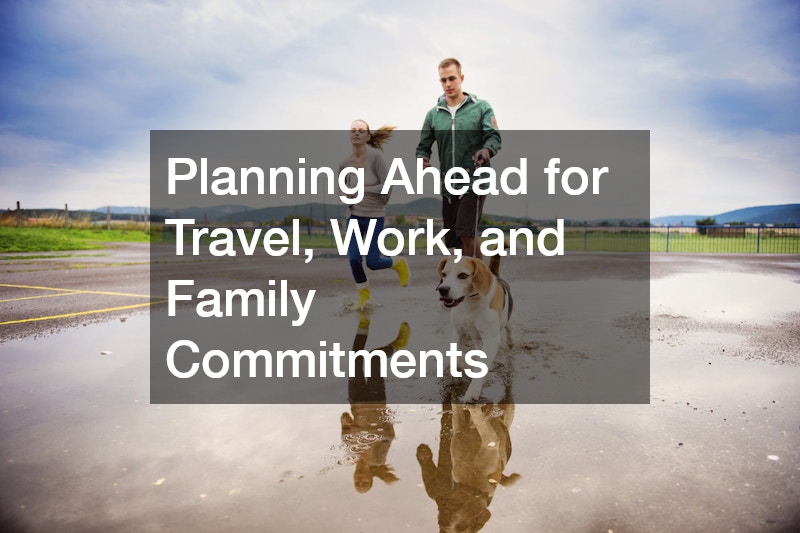
Life doesn’t stop when a puppy comes home. Families still have work trips, vacations, and unexpected obligations, so planning for care during absences is important. Thinking through these scenarios early helps avoid last-minute stress and ensures the puppy’s routine remains as consistent as possible, even when the household schedule changes.
Short separations should be introduced gradually so the puppy learns that family members always return. Starting with brief periods alone and slowly increasing the duration allows the puppy to build confidence without becoming overwhelmed. Maintaining familiar cues, such as leaving a radio on, providing a favorite toy, or following the same departure routine, can make time alone feel predictable rather than alarming. These small steps play a key role in reducing the likelihood of anxiety-related behaviors later on.
When overnight care is needed, families may explore local dog boarding options. Before choosing a facility, it’s wise to take a thorough, hands-on approach rather than relying solely on online reviews or recommendations. Important steps include:
-
Tour the space in person to assess cleanliness, layout, and overall atmosphere
-
Ask about staff training and supervision, including how dogs are monitored throughout the day and night
-
Understand daily routines and enrichment, such as playtime, rest periods, and opportunities for social interaction
-
Confirm health and safety requirements, including vaccination policies and emergency protocols
Observing how staff interact with the dogs can provide valuable insight into the level of care provided. Families should also ask how the facility handles puppies specifically, as younger dogs often need more frequent breaks, additional supervision, and quieter rest areas.
Some puppies adjust well to boarding, especially when they are gradually introduced to the environment and have positive early experiences. Others may do better with in-home care, such as a trusted family member or pet sitter who can maintain familiar routines. Knowing options ahead of time prevents rushed decisions and allows families to choose the arrangement that best supports their puppy’s comfort, safety, and emotional well-being.
Understanding Long-Term Health Decisions Early On
Some medical decisions require thoughtful consideration and discussion well before they happen. Timing, breed, size, and lifestyle all play a role in determining the best course of action for a puppy’s long-term health. Factors such as growth rate, temperament, and existing medical conditions can influence when procedures should be scheduled and how recovery is managed. By evaluating these variables in advance, families can make informed choices that balance the puppy’s immediate needs with future well-being.
Families should speak with a spay and neuter veterinarian early to understand recommended timelines and potential benefits. These consultations provide an opportunity to ask questions, address concerns, and clarify misconceptions. Such conversations allow families to:
-
Plan financially – Knowing the expected costs ahead of time helps families budget for both the procedure and any post-operative care. It also avoids unexpected financial stress during a sensitive period.
-
Prepare for recovery time – Understanding how long the puppy may need restricted activity or additional monitoring ensures the household can accommodate temporary changes in routine. This may include limiting stairs, short leash walks, or supervised rest periods.
-
Adjust activity levels temporarily – Puppies are naturally energetic, but recovery may require modifying playtime, training sessions, and outdoor activities. Families can develop creative ways to keep the puppy mentally stimulated without overexertion, such as using puzzle toys or engaging in gentle interaction.
-
Understand long-term health impacts – Early discussions help families learn how the procedure can influence overall wellness, behavior, and potential future medical considerations. Knowing the benefits and risks allows families to make confident decisions tailored to their puppy’s individual needs.
Knowing what to expect reduces anxiety and helps families support their puppy through recovery with confidence. It ensures that everyone in the household is prepared for the temporary adjustments, can monitor the puppy appropriately, and provide the consistency and care needed for a smooth healing process.
Conclusion
Preparing for a new puppy is about more than buying supplies or choosing a name. It requires communication, planning, and a willingness to adapt as a family. When expectations are clear and responsibilities are shared, puppies settle in more easily, and families feel less overwhelmed.
Thoughtful preparation helps prevent common challenges and builds a strong foundation for years to come. With patience, consistency, and care, families can create a welcoming environment where both children and puppies grow together, learning to trust, respect, and be companions along the way.

