
A comfortable home should do more than provide shelter. It should support everyday routines, accommodate changing needs, and offer an environment where household members can relax and enjoy their time. However, creating a functional living space often requires more than decorating or purchasing new furniture. Homeowners must also consider maintenance, storage, safety, outdoor spaces, and the condition of essential systems.
Thoughtful home improvements can make daily activities easier while helping protect a property’s long-term value. Some projects involve updating individual rooms, while others focus on larger structural or infrastructure concerns. Regardless of their size, improvements should address practical needs and reflect how people actually use their homes.
Taking time to evaluate existing spaces, identify recurring challenges, and prioritize worthwhile upgrades can help homeowners make better decisions. With the right approach, even relatively small improvements can contribute to a more organized, comfortable, and dependable living environment.

Start With the Needs of Your Household
Before beginning a home improvement project, it is important to understand what is and is not working within the existing space. Every household has different routines, preferences, and priorities. A layout that works well for one family may create unnecessary difficulties for another.
Start by evaluating how each room is currently used. Consider whether the kitchen provides enough preparation space, whether bedrooms offer sufficient storage, and whether common areas accommodate everyday activities. Identifying these challenges can help homeowners determine which improvements will provide the greatest practical value.
Household needs may also change over time. A growing family may require additional sleeping arrangements, while someone working remotely may benefit from a more organized office area. Older homeowners might prioritize accessibility, improved lighting, and easier movement throughout the property.
Creating a list of potential improvements can make the planning process more manageable. Separate projects into categories such as immediate repairs, functional upgrades, aesthetic changes, and long-term investments. This approach helps homeowners focus on important needs before committing money to decorative updates.
It is also helpful to establish a realistic budget. Researching materials, labor costs, permits, and potential maintenance expenses can provide a clearer picture of what each project requires. Homeowners should consider setting aside additional funds for unexpected issues, particularly when improvements involve older structures or existing utility systems.
A successful home improvement plan begins with understanding the people who live in the space. When projects are based on actual household needs, the results are more likely to improve everyday comfort and convenience.
Improve Bedroom Comfort and Organization
Bedrooms should provide comfortable environments for rest while offering practical storage for clothing, bedding, and personal belongings. However, limited space and clutter can make these rooms feel less functional.
Furniture selection plays an important role in bedroom organization. Choosing appropriately sized bed frames can help maximize available floor space while supporting the mattress and overall room layout. Options with built-in storage drawers or elevated designs may also provide additional room for seasonal clothing, extra linens, and other belongings.
The placement of furniture should be considered before making purchases. Large pieces positioned near doorways or windows can interfere with movement and make a bedroom feel crowded. Leaving clear walking paths and arranging furniture around the room’s natural layout can improve accessibility.
Storage improvements can make an equally significant difference. Nightstands with drawers, closet organizers, under-bed containers, and wall-mounted shelving provide opportunities to keep frequently used items accessible without filling every available surface.
Lighting should also be part of the planning process. Combining overhead fixtures with bedside lamps or adjustable reading lights creates a more flexible environment. Appropriate window treatments can help manage natural light and provide privacy when needed.
Color choices, textiles, and decorative accessories can contribute to a relaxing atmosphere, but functionality should remain a priority. A bedroom does not need excessive furniture or decorations to feel complete. Instead, thoughtful arrangements and practical storage solutions can create a space that supports better daily routines.

Strengthen the Exterior and Protect the Property
A home’s exterior is responsible for more than creating a welcoming first impression. It helps protect the structure from weather, supports property security, and influences how effectively outdoor spaces can be used.
Roof maintenance is one of the most important considerations. Roofing materials are exposed to sunlight, rain, wind, and temperature changes throughout the year. Over time, these conditions can contribute to damaged shingles, deteriorating flashing, and leaks.
Working with a qualified residential roofing contractor can help homeowners assess roof conditions and determine which repairs or improvements may be necessary. Professional inspections can identify areas that need attention before water intrusion creates additional damage to ceilings, insulation, or interior finishes.
Property boundaries also influence how homeowners use their outdoor spaces. Installing a fence can provide privacy, establish clear property lines, and create designated areas for children or pets. Professional fence installation can help ensure the structure is appropriately planned for the property’s layout, terrain, and intended use.
Homeowners should consider fence materials, height, maintenance requirements, and local regulations before beginning a project. Wood, vinyl, metal, and other materials offer different appearances and durability characteristics. Selecting an appropriate option can help create an exterior feature that complements the home.
Storm preparation is another important part of exterior planning. Depending on location and local building requirements, homeowners may consider incorporating tornado shelters into their property improvements. These designated protective spaces can provide a safer location during severe weather events when properly designed and installed according to applicable standards.
Other exterior improvements may include updating outdoor lighting, repairing walkways, improving drainage, and maintaining gutters. These projects can help create a more usable property while addressing potential safety and maintenance concerns.
Maintain Trees and Outdoor Spaces
Outdoor areas can add substantial value to the way homeowners experience their properties. Lawns, gardens, patios, and shaded seating areas create opportunities for recreation and relaxation. However, these spaces require ongoing attention to remain attractive and functional.
Trees are particularly important landscape features. They provide shade, contribute to the appearance of a property, and can help create comfortable outdoor environments. However, unhealthy or poorly positioned trees may eventually create maintenance concerns.
A professional tree service can assist with pruning, trimming, inspections, and other tree care needs. Routine maintenance can help manage overgrown branches, improve tree structure, and address certain conditions that may affect nearby buildings or landscaping.
In some situations, a tree may become severely damaged, diseased, or unsafe. A qualified tree removal company can evaluate the situation and determine whether removal is necessary. Professional assessment is especially important when a tree is close to a home, utility lines, driveways, or other structures.
Homeowners should also consider how landscaping affects drainage and accessibility. Overgrown vegetation can obstruct walkways, while improperly placed plants may interfere with outdoor equipment or building foundations. Maintaining clear paths and appropriate planting distances can make outdoor areas easier to navigate.
Creating functional outdoor spaces does not necessarily require extensive landscaping. A small patio, organized garden, comfortable seating area, or clearly defined lawn space may provide everything a household needs.
Regular yard maintenance helps preserve these improvements. Establishing seasonal schedules for pruning, lawn care, irrigation checks, and debris removal can prevent outdoor spaces from becoming difficult to manage.

Upgrade Essential Water and Waste Systems
A functional home depends on reliable infrastructure. Water supply, drainage, and wastewater systems may not be visible in everyday living spaces, but they play essential roles in maintaining comfort and sanitation.
Properties that rely on private wells need appropriate maintenance to support dependable water access. Professional well services can help homeowners evaluate their systems, address certain maintenance concerns, and understand the condition of important well components.
Water pumps are particularly important because they help move water through the system. When a pump experiences mechanical problems, homeowners may notice reduced water pressure, inconsistent supply, or other performance issues. Professional well pump services can help diagnose these concerns and determine whether repairs, maintenance, or replacement may be appropriate.
Routine attention to well equipment can help identify developing problems before they lead to more significant interruptions. Homeowners should also follow appropriate recommendations for water testing and system inspections to monitor water quality.
Wastewater management deserves similar consideration. Properties with septic systems depend on properly functioning tanks and drainage components to manage household wastewater. Over time, solids accumulate inside septic tanks and require appropriate removal.
A professional septic tank cleaning company can provide scheduled pumping and maintenance services to help prevent excessive accumulation. Regular service intervals depend on factors such as household size, tank capacity, and water usage. Following appropriate maintenance recommendations can help support the system’s long-term performance.
Homeowners should also pay attention to warning signs such as unusual odors, slow drains, standing water near the drain field, or unexpected plumbing problems. These symptoms may indicate an issue that requires professional evaluation.
Investing in essential water and wastewater systems helps protect the property’s functionality. Although these improvements may not be as visually noticeable as a renovated kitchen or updated bathroom, they are important parts of maintaining a dependable home.
Make Storage and Waste Management Easier
Storage is one of the most common challenges homeowners encounter. As households accumulate clothing, furniture, seasonal decorations, tools, and other belongings, available space can become increasingly limited.
The first step toward better organization is determining which items are actually needed. Sorting belongings into categories can help homeowners identify items to keep, donate, recycle, or discard. This process can make it easier to organize storage areas without purchasing unnecessary containers or furniture.
Closets, garages, basements, and utility rooms can benefit from designated storage systems. Shelving, labeled bins, wall-mounted organizers, and overhead storage can help maximize available space while keeping frequently used belongings accessible.
Seasonal organization is another useful strategy. Winter clothing, holiday decorations, gardening equipment, and recreational supplies can be stored separately when they are not needed. Rotating these belongings throughout the year helps prevent everyday storage areas from becoming overcrowded.
Larger cleanouts and renovation projects may generate more waste than regular household disposal arrangements can accommodate. Local dumpster rentals can provide homeowners with temporary containers for collecting unwanted furniture, construction debris, yard waste, and other approved materials.
Planning waste removal before starting a major project can make the process more organized. Homeowners should consider the amount and type of debris, available placement space, rental duration, and local disposal requirements.
A well-organized home does not necessarily need more storage. In many cases, removing unnecessary belongings and creating designated places for essential items can make existing spaces significantly more functional.
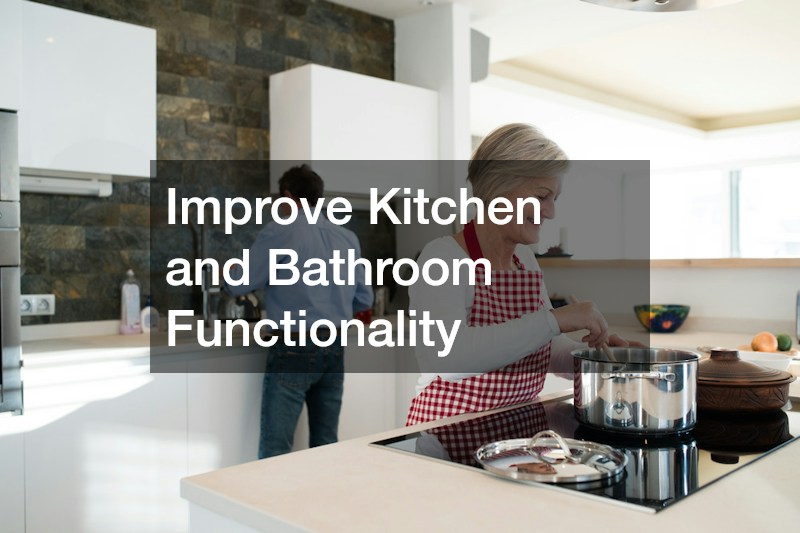
Improve Kitchen and Bathroom Functionality
Kitchens and bathrooms are among the most frequently used areas in a home. Their layouts, fixtures, and storage arrangements can influence how easily household members complete everyday tasks.
In kitchens, countertop space and cabinet organization are important considerations. Keeping frequently used cooking equipment accessible can make meal preparation more convenient, while organizing pantry items can help homeowners monitor supplies and reduce unnecessary purchases.
Lighting also contributes to kitchen functionality. Bright task lighting over preparation areas can improve visibility, while softer lighting may create a more comfortable atmosphere for dining and gathering.
Bathroom improvements often focus on storage, ventilation, and accessibility. Installing medicine cabinets, shelving, and vanity organizers can help reduce clutter around sinks and countertops. Proper ventilation is equally important because excess moisture can contribute to mold growth and damage certain finishes.
Replacing outdated fixtures may also improve convenience. Modern faucets, showerheads, toilets, and lighting can provide updated functionality while complementing the overall design of the room.
When planning these projects, homeowners should consider how household members use the space. A bathroom shared by several people may benefit from additional storage and more efficient organization, while a guest bathroom may require fewer specialized features.
Even modest changes can improve these frequently used spaces. The goal is to create rooms that support daily activities without introducing unnecessary complexity.
Plan Improvements With Long-Term Value in Mind
Home improvements should address immediate concerns while considering how the property may be used in the future. Planning for long-term needs can help homeowners avoid repeating projects or making changes that quickly become impractical.
Durability is one important factor. Choosing quality materials and products suited to the property’s environment may reduce the frequency of repairs and replacements. Homeowners should compare warranties, maintenance requirements, expected lifespans, and installation considerations before making major purchases.
Energy efficiency is another area worth evaluating. Improvements such as insulation upgrades, efficient windows, weatherstripping, and modern lighting may help reduce energy consumption. The potential benefits depend on the home’s existing condition and the specific improvements selected.
Accessibility should also be considered. Wider pathways, improved lighting, accessible storage, and appropriately designed bathrooms may help accommodate changing household needs over time.
It is equally important to prioritize professional installation for projects involving structural components, specialized equipment, or essential utility systems. Qualified contractors can evaluate project requirements, explain available options, and complete work according to relevant standards.
Keeping documentation is another useful long-term practice. Homeowners should maintain records of permits, warranties, inspections, repairs, and major upgrades. These documents can simplify future maintenance and provide valuable information when selling the property.
Creating a more functional home involves understanding household needs and making improvements that support everyday living. From organizing bedrooms and upgrading essential systems to maintaining outdoor spaces and improving storage, thoughtful changes can make a meaningful difference.
By prioritizing practical needs, planning projects carefully, and investing in reliable materials and professional services, homeowners can create spaces that remain comfortable, organized, and dependable. The most successful improvements are those that make daily routines easier while preparing the home for the future.