Highlights
-
Long-term pest prevention depends on correcting the conditions that attract or admit pests, not only treating visible activity.
-
A pest control provider can identify entry points, nesting areas, moisture problems, food sources, and other risk factors.
-
Routine monitoring can reveal early warning signs before a small pest problem develops into a larger infestation.
-
Integrated pest management combines inspection, exclusion, sanitation, monitoring, and targeted treatment when necessary.
-
Homeowners can support prevention by sealing food, reducing clutter, repairing leaks, and maintaining exterior areas.
-
Ongoing communication and follow-up help adjust prevention strategies as seasons, weather, and property conditions change.
How Can Professional Pest Control Help Prevent Repeat Infestations?
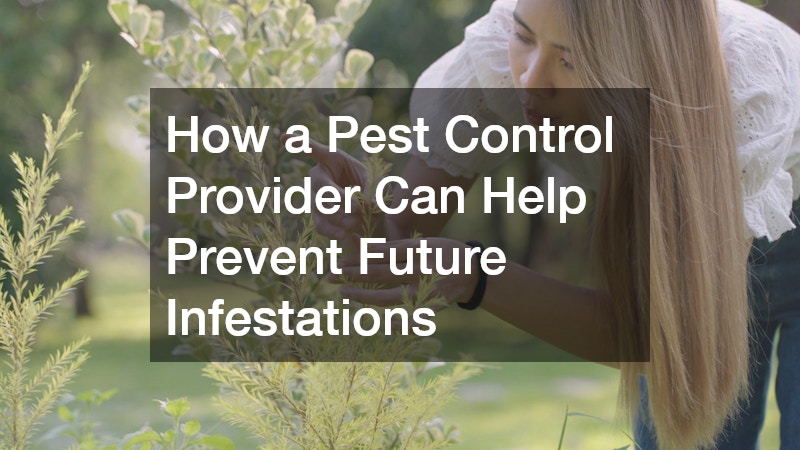
Professional pest control can help prevent repeat infestations by focusing on why pests entered a property, what allowed them to remain, and how those conditions can be changed. Treating ants, rodents, cockroaches, or other pests that are already visible may solve the immediate problem, but prevention requires a broader look at the building and surrounding property.
A pest control provider can inspect likely entry points, moisture sources, food access, nesting areas, landscaping, storage zones, and other conditions that may support future activity. This approach reflects integrated pest management, or IPM, which the U.S. Environmental Protection Agency describes as a strategy that combines information about pest life cycles with practical control methods. By addressing causes instead of relying only on repeated treatments, homeowners can build a more durable plan for keeping pests from returning. It also helps prioritize structural and sanitation improvements that can reduce conditions favorable to pests throughout the year.
Which Prevention Steps Can Homeowners Take Between Service Visits?
Homeowners can strengthen professional pest prevention by making the property less accessible and less attractive to unwanted pests. Useful steps include:
-
Store pantry goods, pet food, and other edible items in well-sealed containers.
-
Clean crumbs, grease, spills, and food residue from counters, floors, cabinets, and appliances.
-
Keep garbage containers closed and remove household trash regularly.
-
Repair dripping faucets, leaking pipes, and other persistent moisture sources.
-
Reduce unnecessary cardboard, paper, fabric piles, and other clutter that can provide hiding areas.
-
Check door sweeps, window screens, vents, and visible gaps for damage.
-
Keep shrubs, weeds, and other vegetation from becoming excessively dense next to the structure.
-
Report new droppings, gnaw marks, insects, damaged packaging, or unusual pest activity promptly.
These habits support the same prevention principles used in integrated pest management and make it easier to detect changes before activity spreads.
Why Does Sealing Entry Points Matter So Much?
Exclusion is one of the most practical ways to reduce the chance of pests entering a building in the first place. Rodents and insects can take advantage of surprisingly small openings around doors, foundations, vents, pipes, wiring, roofing components, and other structural transitions. The Centers for Disease Control and Prevention recommends inspecting buildings for gaps and holes and sealing those openings to help prevent rodents from getting inside. A professional can also look for less obvious access points that a homeowner may overlook, especially in crawl spaces, attics, garages, basements, or areas where utilities enter the building. Sealing should be matched to the pest and the location because different materials and repair methods may be appropriate. When exclusion is combined with sanitation and moisture control, the property becomes more difficult for pests to enter and less rewarding if they do.
How Does Monitoring Catch Problems Before They Grow?
Monitoring helps identify pest activity while it is still limited and easier to address. A pest control provider may look for droppings, shed skins, gnawing, nesting material, damaged food packages, insect trails, moisture patterns, entry points, or other signs associated with the target pest. Monitoring can also show whether previous corrective work is effective. Penn State Extension explains that integrated pest management begins with identifying the pest and understanding the conditions that allow it to survive, which helps guide safer and more effective control decisions. The value of monitoring is especially clear when pests are secretive or active at night because homeowners may not see the organisms themselves. Regular inspections create a record of where activity occurs, how conditions change over time, and where additional exclusion, sanitation, or treatment may be needed to keep a minor issue from becoming established.
What Should a Long-Term Pest Prevention Plan Include?
A long-term prevention plan should combine property maintenance, sanitation, exclusion, monitoring, and carefully selected treatments when they are necessary. Rather than using the same response for every pest, the plan should reflect the species involved, the building, the season, the surrounding environment, and any recurring conditions identified during inspections. Important elements may include regular communication, documented service findings, seasonal adjustments, homeowner responsibilities, and follow-up recommendations to support consistent prevention efforts:
-
Scheduled inspections of common entry points and high-risk areas.
-
Recommendations for sealing cracks, gaps, vents, and utility penetrations.
-
Guidance on food storage, waste handling, moisture control, and clutter reduction.
-
Exterior maintenance around foundations, vegetation, drainage, and storage areas.
-
Monitoring for new activity and documenting changes between visits.
-
Targeted treatment based on pest identification and actual evidence of activity.
-
Follow-up recommendations when repairs, sanitation changes, or additional service are needed.
This coordinated approach helps prevention remain practical instead of becoming a one-time reaction after pests have already returned.
Why Is Ongoing Prevention More Effective Than Waiting for Another Infestation?
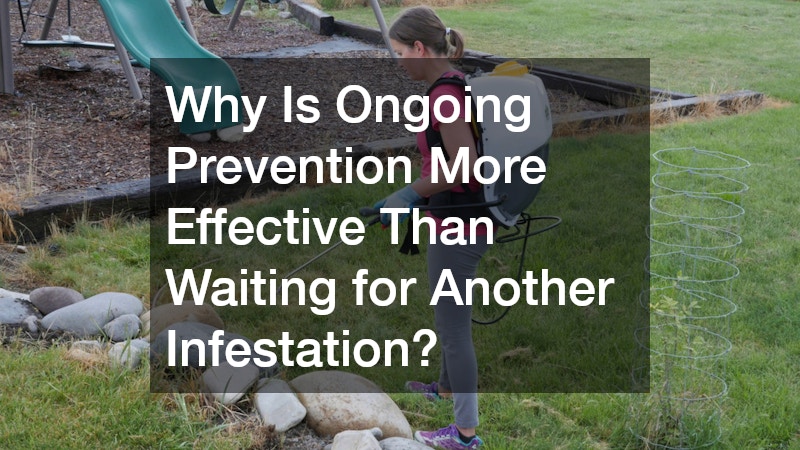
Ongoing prevention is more effective because pest problems often develop gradually before homeowners notice obvious activity. By the time numerous insects, droppings, damaged materials, or other signs become visible, pests may already have established nesting or feeding areas. Preventive service keeps attention on the conditions that influence future infestations, including access points, moisture, sanitation, storage, landscaping, and seasonal changes. It also gives homeowners a chance to correct small issues before they become more difficult to manage. Professional service works best when it is paired with consistent household habits and clear communication about new signs of activity. A pest control provider can then adjust recommendations as the property changes. Preventing every possible pest encounter may not be realistic, but reducing access, resources, and favorable conditions can make infestations less likely and help homeowners respond more quickly when warning signs appear.