The rooms your family spends the most time in do more than hold furniture and belongings, they shape how everyone feels, thinks, and connects each day. Cluttered, noisy, or poorly lit spaces can quietly add stress to already busy lives, while thoughtfully designed rooms can offer calm, security, and connection. If you are trying to figure out how to make your home work better for your family’s emotional wellbeing, this guide breaks down practical, room-by-room strategies you can start using right away. You do not need a full renovation budget to make meaningful changes, just a clearer understanding of what your spaces need.
Why Your Home’s Design Affects Emotional Wellbeing
The layout, lighting, and organization of your home directly influence stress levels, sleep quality, and how family members interact with one another. Research on environmental psychology consistently shows that cluttered or chaotic spaces raise cortisol levels, while organized, softly lit rooms promote a sense of calm. Even small visual details, like a pile of unsorted mail on the counter or shoes scattered by the door, can register subconsciously as unfinished tasks, keeping the nervous system mildly on alert throughout the day.
Lighting plays an outsized role as well. Harsh overhead fluorescents can heighten irritability and fatigue, while warm, adjustable lighting supports better mood regulation and helps signal to the body when it’s time to wind down. Natural light exposure earlier in the day has also been linked to improved sleep quality and more stable mood swings in both children and adults.
This is especially important for families managing anxiety, ADHD, or general daily stress, since the home is often the one environment you can fully control. A child with sensory sensitivities, for example, may feel overwhelmed by visual clutter or busy patterns, while a partner working from home may need a designated quiet zone to decompress between tasks. Recognizing these individual needs within the household is a key part of designing spaces that genuinely support everyone’s mental health.
Prioritizing mental health when planning your rooms is not a luxury, it is a foundational part of creating a supportive household. Small, intentional choices, like decluttering shared spaces weekly or swapping in dimmable lighting, can compound over time into a home environment that actively reduces daily stress rather than adding to it.
Small design choices compound over time, meaning a chaotic entryway or an overstimulating living room can add friction to everyday routines without anyone realizing why. A pile of shoes and mail by the front door, for instance, can spike stress hormones within seconds of walking inside after a long day. Research on visual clutter has linked cluttered spaces to higher cortisol levels and reduced ability to focus, which matters most in the rooms your family uses under time pressure, like entryways and kitchens.
On the other hand, intentional design creates predictability, which is deeply comforting for children and adults alike. A designated spot for backpacks, a reading nook with soft lighting, or a consistent color palette signals to your brain that a space is safe and manageable. For children especially, predictable environments reduce the mental load of constant decision-making and can ease transitions like bedtime or homework.
Thinking about each room’s purpose and emotional impact, from the calming quality of morning light to the noise levels a space absorbs or amplifies, helps you make smarter decisions when redecorating or renovating. Even small shifts, like adding a closed storage bin or softening a harsh overhead light, can change how a room feels to use every day.
Creating a Calming Kitchen Hub
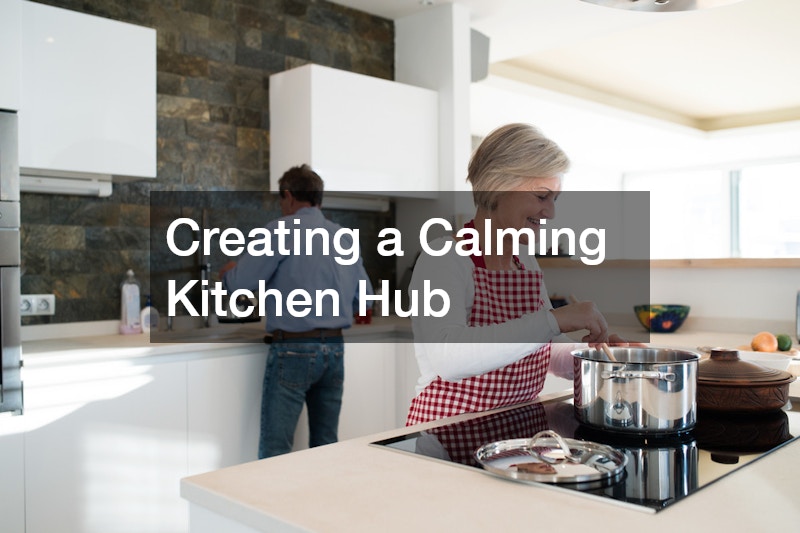
The kitchen is often the emotional center of a home, where families gather, talk, and unwind after long days, so its design deserves special attention. Material choices matter more than people expect, since surfaces like countertops set the tone for how clean, organized, and inviting the space feels. Light colored, low maintenance countertops can reduce visual clutter and make cleanup faster, which lowers daily stress for busy parents. Beyond materials, keeping the kitchen visually simple with hidden storage and open counter space helps prevent the overwhelmed feeling that comes from a chaotic cooking environment.
- Choose countertops that are easy to wipe down to reduce daily mental load
- Keep small appliances tucked away to minimize visual clutter
- Add a designated spot for mail and school papers to prevent pile-up
- Use warm lighting near eating areas to encourage relaxed conversation
Setting Up a Peaceful Nursery
New parents are often exhausted and anxious, so the nursery should be designed to reduce stress rather than add to it. Soft, adjustable lighting on a dimmer switch, blackout curtains that block out early morning sun, and a comfortable feeding chair with good back support can make late night routines noticeably easier on everyone. A white noise machine set to a low, steady hum can also help mask household sounds that might otherwise jolt a sleeping baby awake.
Many parents find it helpful to ask their newborn pediatrician about optimal room temperature (typically between 68 and 72 degrees Fahrenheit), safe sleep setups, and appropriate swaddling techniques before finalizing the layout. These recommendations directly affect both safety and rest quality, and they can vary slightly depending on the baby’s age, weight, and any health considerations. It’s worth revisiting these questions at follow-up appointments, since guidance may shift as the baby grows.
Beyond the basics, consider keeping the nursery clutter-free with closed storage bins so nighttime diaper changes don’t turn into a search for supplies. Placing the crib away from windows, cords, and furniture with sharp edges adds another layer of safety that lets parents relax rather than worry. A calm, predictable nursery environment supports better sleep for the baby, which in turn supports the mental health of the entire household.
Keeping the room simple also makes late night care easier, since parents are less likely to trip over toys or clutter during nighttime feedings. A clear path between the crib, changing area, and door is worth prioritizing, especially since most of these visits happen in near-darkness with a half-asleep parent carrying a baby.
Improving Air Quality Throughout the House
Physical comfort and emotional wellbeing are closely linked, and poor air quality can quietly contribute to headaches, fatigue, and irritability in every family member. Proper ventilation, air purifiers, and houseplants can all help maintain fresher air, which supports better concentration and mood throughout the day. In rooms where windows are limited, some families invest in small oxygen enrichment systems or simple air exchange units to keep spaces feeling less stuffy, especially during colder months when homes stay closed up. Fresh, clean air is an easy but often overlooked factor in creating rooms that genuinely support relaxation and focus.
- Open windows for at least fifteen minutes daily when weather allows
- Add low maintenance plants known for improving indoor air quality
- Change HVAC filters on a regular schedule
- Avoid heavy synthetic fragrances that can trigger headaches
Adding Personal Touches That Reflect Your Family’s Identity
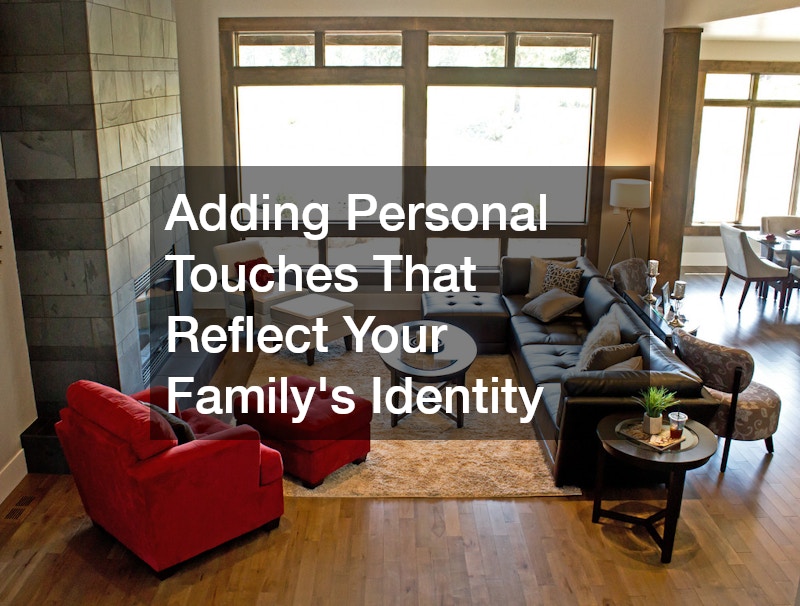
Homes that feel personal and meaningful tend to support emotional security far more than generic, showroom style spaces. Psychologists who study environmental wellbeing note that spaces filled with autobiographical objects—photos, keepsakes, artwork—help occupants feel grounded and less anxious, especially children navigating a stressful world. Displaying items that reflect shared memories, humor, or family milestones helps everyone feel a sense of belonging, and it doesn’t require an interior design budget to achieve.
Some families create matching custom shirts for reunions, holidays, or milestone birthdays, then frame one as a piece of casual, joyful decor in a hallway or playroom. A single sleeve or logo mounted in a simple shadow box can turn an everyday item into a lasting memory without cluttering the room. Others rotate these framed pieces seasonally, swapping in shirts from the most recent gathering so the display stays current rather than static.
Beyond apparel, consider a low-effort “memory wall” near a stairwell or mudroom where ticket stubs, kids’ artwork, and vacation photos rotate every few months. Even small details—like a chalkboard listing inside jokes or a corkboard for postcards—invite ongoing participation rather than a one-time decorating project. These small personal touches remind family members of shared experiences every time they walk past them, reinforcing that the home was built around them, not around a magazine spread.
Vintage and nostalgic decor can add character without feeling cluttered, especially when chosen intentionally rather than randomly collected. A weathered farmhouse sign, an old family photograph in a repurposed frame, or a piece of furniture passed down through generations can anchor a room in a way that mass-produced decor simply can’t. The key is selecting items that carry real meaning for your family, not just items that look “vintage” for aesthetic trend’s sake.
Interestingly, many homeowners now work with vintage sign buyers to either source unique statement pieces for a family room or sell off items that no longer fit their space. This two-way relationship keeps decor meaningful rather than accumulated out of habit, and it also prevents rooms from becoming crowded with mismatched relics. If you’re building a collection, consider limiting yourself to one or two focal vintage pieces per room rather than filling every wall and shelf.
Knowing When to Bring in Professional Support
Even a beautifully designed home cannot replace professional help when a family member is struggling emotionally, and recognizing that distinction is important. If stress, anxiety, or behavioral changes persist despite a calmer home environment, consulting a psychologist can provide tools and strategies that design alone cannot offer. Many psychologists also recommend simple home based practices, such as designated quiet corners or wind down routines, that pair well with therapy to reinforce healthy habits. Thinking of your home as a support system rather than a solution keeps expectations realistic and outcomes healthier for everyone.
Creating a small, private space in the home, such as a reading nook or quiet corner, gives family members somewhere to decompress between therapy sessions or stressful days. This kind of space signals that emotional needs are respected and taken seriously within the household.
Designing Tech Friendly But Balanced Spaces
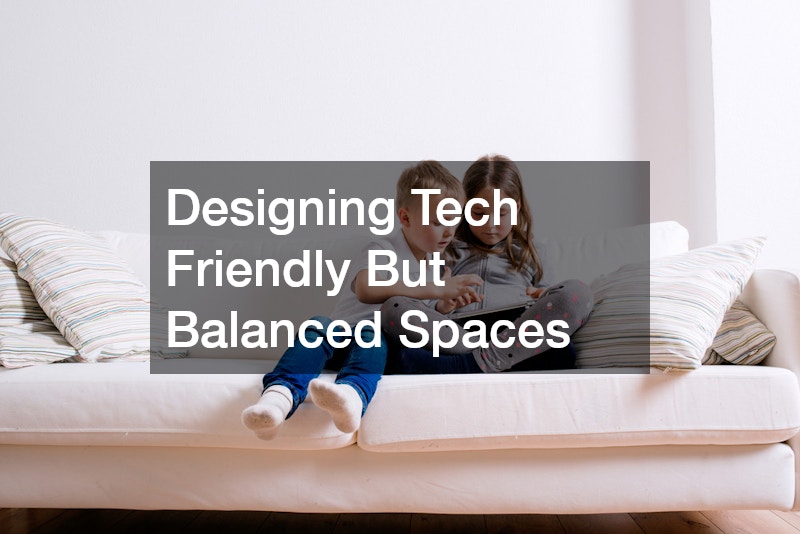
Technology is a normal part of modern family life, but poorly planned tech spaces can lead to overstimulation, especially for children. Instead of scattering devices throughout the home, many families designate one organized area, similar to a small electronics shop display, where chargers, tablets, and gaming devices are stored and used during specific hours. A simple charging station with labeled bins or hooks for each family member keeps cords untangled and devices easy to locate, cutting down on morning scrambles and evening arguments.
This approach reduces screen related conflict and keeps bedrooms more restful, since devices are not competing with sleep space. Many child development specialists suggest a firm cutoff, such as no screens after 8 p.m., so the mind has time to settle before bed. Charging stations placed in a kitchen or hallway, rather than a bedroom, make this boundary easier to enforce without nightly negotiations.
Preparing Kids for Learning Environments Beyond Home

A supportive home environment should also prepare children for transitions outside the house, especially early educational settings. Familiarizing toddlers with structured routines at home, such as consistent nap times and simple daily schedules, can ease the adjustment when they eventually start preschools. Parents often find that mimicking small elements of a classroom, like a reading corner or labeled storage bins, helps children feel more confident once they begin attending preschools regularly. This kind of continuity between home and early education settings supports emotional stability during a major developmental transition.
Talking openly with young children about what to expect, using picture books or simple explanations, can also reduce first day anxiety. A calm home routine paired with clear communication makes the shift to a more structured environment feel far less overwhelming.
Honoring Family History Within Your Home
Many families find comfort in dedicating a small space to honor loved ones who have passed, whether through photographs, keepsakes, or symbolic decor. A dresser top, a windowsill, or an unused nook near a hallway can all serve this purpose without requiring a full room redesign. What matters most is consistency of placement, so family members know where to go when they want a quiet moment of connection.
Some homeowners incorporate small scale tributes inspired by monuments, such as engraved stones or plaques placed in a garden or memory corner, as a quiet way to keep memories present without overwhelming the home. Outdoor tributes work well in a planter bed, near a favorite tree, or along a walking path, giving the memorial a sense of place tied to nature’s changing seasons. Indoors, a small votive candle, a framed handwritten letter, or a piece of jewelry displayed in a shadow box can achieve the same effect on a smaller scale.
Designing rooms that support your family’s mental health does not require a complete home overhaul, just intentional choices made room by room. Start with one space that feels the most stressful or chaotic, whether that is the kitchen, a child’s bedroom, or a shared living area, and apply a few of the strategies above. Small, consistent improvements add up over time, creating a home that genuinely supports everyone who lives in it. The goal is not perfection, but a space where your family feels calmer, safer, and more connected every single day.