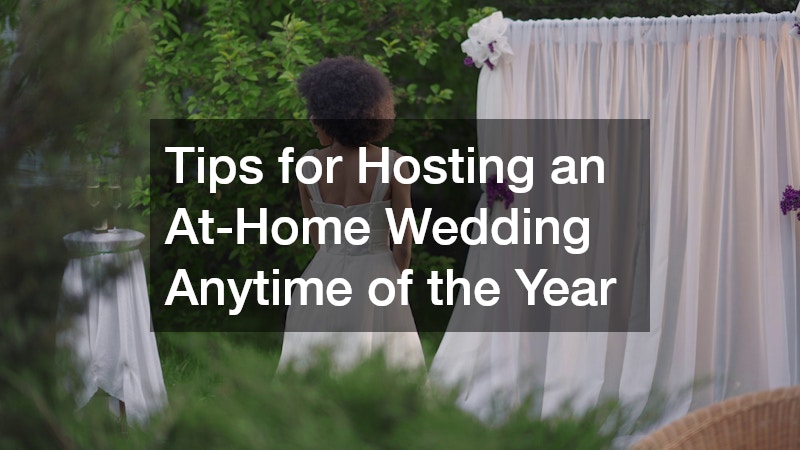
Hosting an at-home wedding offers a level of intimacy and personalization that traditional venues often cannot match. Your home—or the home of a close family member—already carries emotional significance, which immediately adds depth and meaning to the celebration. When done thoughtfully, an at-home wedding can feel intentional, elegant, and memorable rather than improvised. The key is planning with the same rigor you would apply to a formal venue.
One of the biggest advantages of an at-home wedding is flexibility. You are not constrained by venue availability, rigid vendor contracts, or strict timelines. Whether you envision a spring garden ceremony, a summer backyard reception, a cozy fall gathering, or a winter celebration indoors, your space can be adapted to suit the season. That flexibility allows couples to prioritize what truly matters to them.
However, hosting a wedding at home also introduces logistical considerations that couples do not always anticipate at the outset. Parking, power supply, guest flow, weather contingencies, and vendor access all require careful coordination. Addressing these elements early ensures the event feels seamless for guests and stress-free for you.
Another important factor is guest experience. Because your home is not designed as an event space, thoughtful planning is needed to make guests feel comfortable, welcomed, and well cared for. From transportation to lighting to restrooms, every detail contributes to how polished the celebration feels.
Budget considerations also come into play. While at-home weddings can be cost-effective, expenses can add up quickly if infrastructure needs are overlooked. Rentals, temporary installations, and professional services often replace venue-provided amenities, making prioritization essential.
Seasonality plays a significant role as well. Hosting an at-home wedding “anytime of the year” means thinking beyond aesthetics and considering temperature control, lighting duration, and weather protection. Each season offers unique opportunities, but also distinct challenges that must be addressed proactively.
Personalization is where at-home weddings truly shine. From customized decor to curated guest gifts, couples have unparalleled freedom to reflect their story and values throughout the event. The home itself becomes a canvas for meaningful design choices.
With the right planning approach, an at-home wedding can rival—and often surpass—the experience of a traditional venue. The following sections outline practical, experience-driven tips to help you host a well-organized, beautiful wedding at home, regardless of the season.
Arranging Transportation for Your Guests

Transportation is one of the most commonly overlooked aspects of hosting an at-home wedding, yet it has a direct impact on guest comfort and event flow. Residential neighborhoods are rarely equipped to handle dozens of vehicles arriving at once, especially for extended periods. Planning wedding transportation in advance helps avoid congestion, confusion, and inconvenience.
Start by assessing parking limitations around your property. Local regulations, street widths, and neighborhood sensitivities should all factor into your plan. In many cases, it is more practical to designate an off-site parking area and transport guests to and from the ceremony location.
Shuttle services, vans, or small buses can provide efficient wedding transportation while keeping arrival times organized. This is particularly helpful for elderly guests or anyone unfamiliar with the area. Clear communication about pickup times and locations is essential.
Transportation planning also supports safety, especially if alcohol will be served. Offering a reliable way for guests to get home reduces liability concerns and ensures everyone can celebrate responsibly. For evening weddings, well-coordinated transportation also improves security and visibility.
Seasonal considerations matter here as well. In winter or during rainy seasons, minimizing walking distances and exposure to the elements becomes even more important. Transportation is not just logistics—it is part of the guest experience.
Curating Gift Boxes for Your Guests
At-home weddings create the perfect opportunity to offer thoughtful, personal guest favors. Instead of generic keepsakes, many couples opt for custom wedding gift boxes that reflect their personalities, values, or the setting of the celebration.
These gift boxes can be tailored to the season. Summer weddings might include locally sourced snacks, sunscreen, or reusable water bottles, while fall or winter weddings could feature candles, blankets, or artisanal treats. Personal notes or monogrammed items add emotional value without excessive cost.
Custom wedding gift boxes also serve a practical purpose. They can include schedules, maps, or small comforts guests might need throughout the event. For multi-day celebrations or destination-style gatherings, gift boxes help guests feel welcomed and cared for from the start.
When curating these boxes, consistency matters more than extravagance. A cohesive theme, thoughtful presentation, and intentional selections leave a stronger impression than expensive but impersonal items. Sourcing locally can also align with sustainability goals.
Ultimately, these gift boxes become a tangible reminder of the day. Long after the wedding, guests associate those items with the warmth and intimacy of your at-home celebration.
Customizing Your Engagement Ring

An at-home wedding often reflects a desire for authenticity and individuality, and that mindset frequently extends to jewelry choices. A custom engagement ring allows couples to tell their story in a way that mass-produced designs cannot.
Customizing your ring can involve selecting unique stones, incorporating heirloom pieces, or designing a setting that aligns with your lifestyle. This approach ensures the ring feels personal rather than purely symbolic.
From a practical standpoint, custom engagement ring designs can also be tailored for comfort and durability, which matters for everyday wear. Couples who value craftsmanship often appreciate being involved in the design process from start to finish.
The ring itself becomes part of the broader wedding narrative. When paired with an at-home ceremony, it reinforces the idea that every element of the celebration was chosen with intention rather than convenience.
In many cases, couples find that customization offers better value than expected, especially when working directly with designers who prioritize quality and transparency.
Drawing Inspiration From Wedding Venues
Even when hosting a wedding at home, inspiration often comes from established spaces. Exploring local wedding venues can spark ideas for layout, decor, and guest flow that translate well to residential settings.
Pay attention to how venues define ceremony and reception areas, manage transitions, and create visual focal points. These principles apply regardless of location. For example, arches, aisle markers, or lounge seating can help structure your space.
Local wedding venues also provide insight into seasonal styling. Touring venues during different times of the year highlights how lighting, greenery, and decor adapt to weather and daylight changes. Those observations can guide your own planning decisions.
You do not need to replicate a venue—only learn from it. Borrowing design cues while adapting them to your home ensures the event feels polished without losing its personal character.
Inspiration gathering is most effective when it focuses on function as much as aesthetics. A beautiful setup that flows poorly will always feel less successful than a thoughtfully organized space.
Coordinating the Catering

Food and beverage service plays a central role in any wedding, and at-home celebrations require extra coordination. Hiring a local catering service experienced with off-site events is critical to maintaining quality and timing.
Unlike venues with built-in kitchens, homes often need temporary food prep areas, warming stations, or outdoor cooking setups. A professional local catering service will assess your space and recommend practical solutions.
Menu planning should account for seasonality, guest count, and service style. Buffet, family-style, and plated dinners each have different space and staffing requirements. Weather considerations may also influence menu choices, especially for outdoor events.
Clear communication with your caterer about timelines, access points, and cleanup responsibilities prevents misunderstandings. Because the event takes place at a private residence, logistics must be carefully coordinated.
When done well, catering at home feels seamless and elevated. Guests remember the quality of the food, not the complexity behind delivering it.
Remodeling Your Home
Some couples choose to make permanent improvements to their space in preparation for an at-home wedding. Working with experienced home remodelers can help adapt your property for both the event and long-term use.
Projects might include expanding outdoor living areas, updating bathrooms, or improving kitchen functionality. These changes enhance guest comfort while adding lasting value to the home.
Timing is critical when involving home remodelers. Renovations should be completed well in advance to allow for inspections, cleaning, and final adjustments. Rushing construction too close to the wedding date introduces unnecessary risk.
Even minor updates—such as repainting, landscaping, or flooring repairs—can significantly improve the look and feel of your space. The goal is not perfection, but readiness.
By viewing remodeling as an investment rather than a one-time expense, couples often find the process more rewarding and less stressful.
Choosing the Lighting
Lighting shapes the atmosphere of an at-home wedding more than almost any other element. Consulting an experienced electrical contractor ensures both aesthetics and safety are addressed.
Residential electrical systems may not support the power demands of event lighting, sound equipment, and catering needs. An electrical contractor can assess capacity and install temporary or permanent upgrades as needed.
From string lights to uplighting and pathway illumination, thoughtful lighting design guides guests and enhances visual appeal. Seasonal considerations, such as shorter daylight hours in winter, make lighting even more important.
Safety cannot be overlooked. Proper wiring, weatherproof fixtures, and secure installations reduce the risk of outages or hazards during the event.
Well-executed lighting transforms familiar spaces into something extraordinary, reinforcing the celebratory atmosphere without overwhelming the setting.
Renting a Dumpster
Waste management is an unglamorous but essential part of hosting a wedding at home. A dumpster rental simplifies cleanup and keeps the property organized throughout the event.
Large gatherings generate more waste than most households are equipped to handle. Coordinating a dumpster rental ensures trash, recyclables, and disposables are managed efficiently.
Placement matters. The dumpster should be accessible for vendors and staff but discreet enough not to disrupt the event aesthetic. Clear signage helps prevent misuse.
Seasonal factors can influence waste volume. Outdoor weddings may generate additional debris from decor, packaging, or weather-related items. Planning accordingly avoids overflow issues.
Proper waste management contributes to a smoother post-event experience, allowing you to focus on memories rather than mess.
Renting a Golf Cart

For larger properties or uneven terrain, guest mobility becomes a key consideration. Renting the best golf cart option for your needs improves accessibility and comfort.
Golf carts are particularly useful for transporting elderly guests, vendors, or wedding party members between areas. They also help manage transitions without rushing or confusion.
Selecting the best golf cart involves considering passenger capacity, terrain capability, and aesthetics. Some rental options offer decorative customization to match the wedding theme.
In seasonal conditions like summer heat or winter chill, minimizing walking distances enhances guest satisfaction. A well-placed golf cart station keeps movement efficient.
This small logistical choice often has an outsized impact on how thoughtfully planned the event feels.
Sourcing Unique Decor
At-home weddings lend themselves to creative, eclectic decor. Thrift stores are a valuable resource for sourcing unique pieces that add character without inflating the budget.
From vintage vases to mismatched frames and candleholders, thrift stores offer items that cannot be replicated by rental catalogs. These pieces help the event feel curated rather than staged.
Shopping secondhand also supports sustainability goals and allows for experimentation. If an item does not work as planned, the investment is typically minimal.
Consistency is key. Choosing a color palette or style direction helps disparate items feel cohesive. Thrifted decor works best when unified by a clear vision.
After the wedding, these items can be resold, donated, or incorporated into your home, extending their value beyond a single day.
Planning Your Big Day at Home
Hosting an at-home wedding is as much about mindset as logistics. Success comes from approaching the event with flexibility, organization, and realistic expectations.
Every decision—from transportation to lighting—should be guided by guest experience and practicality. When those priorities align, the celebration feels effortless, even when significant planning occurred behind the scenes.
Seasonal awareness remains critical. Weather contingencies, indoor-outdoor transitions, and comfort measures should be addressed early rather than treated as afterthoughts.
Communication with vendors, neighbors, and guests ensures alignment and reduces surprises. Clear instructions and thoughtful planning build confidence for everyone involved.
The intimacy of an at-home wedding often becomes its defining feature. Guests feel included rather than managed, and moments unfold organically.
Personal touches resonate more deeply in a familiar setting. Whether through decor, food, or rituals, authenticity leaves a lasting impression.
While the planning process may be more involved than booking a traditional venue, the rewards are substantial. The memories created feel rooted in place and personal history.
Ultimately, hosting your big day at home allows you to celebrate on your own terms. With careful preparation and intentional choices, an at-home wedding can be timeless, meaningful, and uniquely yours.

