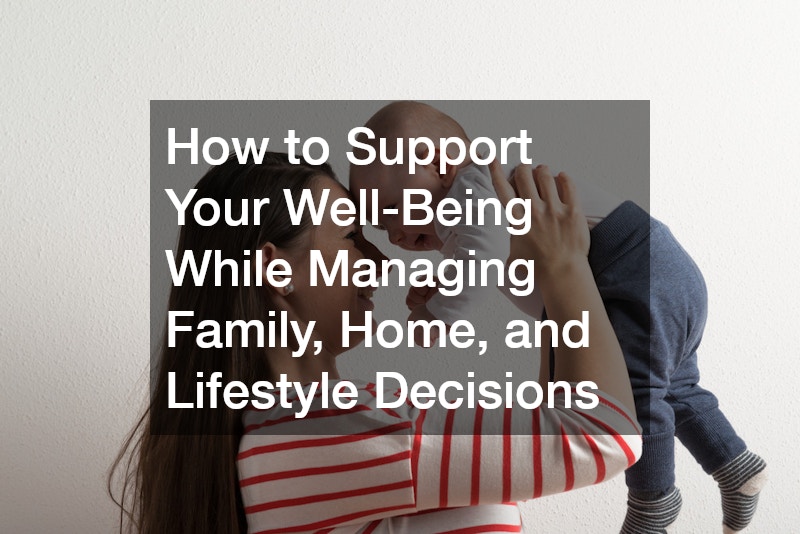
Supporting your well-being as a mom often means navigating overlapping responsibilities that pull your attention in multiple directions at once. Between family schedules, household upkeep, personal health, and long-term planning, it can feel like there is little space left for yourself. Yet well-being is not something that can be postponed indefinitely. It is the foundation that allows everything else to function smoothly. When moms are emotionally and physically supported, they are better equipped to make thoughtful decisions, adapt to change, and show up fully for their families.
Many moms fall into the trap of treating self-care as something separate from daily responsibilities, assuming it requires large blocks of free time or dramatic lifestyle changes. In reality, well-being is often shaped by the small, repeated choices made throughout everyday life. How your home feels, how supported your body is, and how confident you feel in your decisions all influence stress levels and resilience. When these areas are approached with intention, self-care becomes woven into daily routines rather than added as another obligation.
Decision fatigue is another challenge that quietly affects well-being. Constantly evaluating options, researching outcomes, and anticipating future needs can drain mental energy. Over time, even positive decisions can feel overwhelming if they are not managed thoughtfully. Learning to prioritize, set boundaries, and recognize when “good enough” is truly enough can ease this burden. Clarity does not come from doing everything at once but from focusing on what matters most in the current season of life.
This guide is designed to help moms approach family, home, and lifestyle decisions in a way that supports long-term well-being rather than undermines it. Each section focuses on a common decision area and offers perspective on how to manage it without sacrificing balance. By slowing down, reflecting intentionally, and aligning choices with personal values, moms can build a life that feels supportive instead of exhausting.
Supporting Personal Identity and Meaningful Possessions
Personal items often hold symbolic value that extends far beyond their physical form. Choosing how to maintain or update meaningful pieces, such as working with a local jewelry store, can be an opportunity to reconnect with identity and personal history. These decisions are rarely just about aesthetics; they are about honoring milestones, relationships, and moments that shaped who you are. Taking time to reflect on why certain possessions matter helps ensure decisions feel affirming rather than rushed.
Preserving meaningful items also supports emotional continuity during busy or transitional seasons. When life feels unpredictable, familiar personal pieces can provide grounding and comfort. Thoughtful care of these items reinforces a sense of self that exists beyond daily responsibilities. This is particularly important for moms who often prioritize others’ needs ahead of their own.
Approaching these decisions with patience allows space for clarity. Instead of feeling pressured to act quickly, allowing choices to unfold naturally supports emotional well-being. When personal belongings are managed intentionally, they become sources of reassurance rather than stress, quietly reinforcing balance amid full schedules.
Maintaining a sense of personal identity is especially important during seasons when caregiving responsibilities dominate daily life. When moms intentionally preserve pieces of their personal history, it reinforces the understanding that their individuality still matters. This sense of continuity supports emotional grounding and confidence, particularly during stressful periods. Taking time to reflect on personal values and memories can also clarify priorities in other areas of life. When identity is nurtured rather than neglected, decision-making becomes easier and more intuitive. These moments of reflection offer reassurance that personal fulfillment and family responsibilities can coexist without conflict.
Navigating Educational Choices With Confidence

Education decisions carry emotional weight, especially when they feel tied to a child’s future success. Choosing the best local private elementary school can feel overwhelming when comparing programs, values, and environments. While education is important, it is one piece of a much larger developmental journey. Keeping that perspective helps ease anxiety and supports clearer thinking.
Children thrive in environments that match their learning style, emotional needs, and personality. Observing how your child responds to structure, creativity, and social interaction provides insight that rankings alone cannot. Education choices are most effective when guided by the child’s unique needs rather than external pressure.
Flexibility is also key. Educational paths evolve, and adjustments are often part of growth. Viewing school decisions as adaptable rather than permanent reduces stress and allows moms to respond thoughtfully as circumstances change. Confidence comes from knowing you can reassess and realign when needed.
Educational decisions are often revisited multiple times as children grow and circumstances evolve. Allowing yourself permission to reassess choices reduces unnecessary pressure and self-doubt. Growth, both academic and emotional, rarely follows a straight line, and adaptability is a strength rather than a weakness. When moms approach education as a collaborative journey with their child, it encourages open communication and mutual understanding. This approach fosters confidence in both the parent and child, reinforcing trust and emotional security. Flexibility ensures that learning environments continue to support development rather than become sources of stress.
Maintaining Physical Comfort and Daily Function
Vision care is a practical yet often overlooked aspect of family well-being. Regular visits to eyeglass stores support daily comfort, productivity, and overall health. Clear vision reduces strain, fatigue, and frustration, especially for moms managing multiple tasks throughout the day.
When physical discomfort is minimized, mental clarity improves. Small health-related decisions can have an outsized impact on energy levels and patience. Addressing needs proactively prevents them from becoming chronic stressors that drain emotional reserves.
Incorporating routine care into existing schedules helps maintain consistency without overwhelm. When health maintenance becomes part of regular life rather than a reactive task, it supports sustainable well-being for the entire household.
Daily physical comfort directly affects patience, focus, and emotional regulation. Small discomforts can accumulate over time, subtly increasing irritability and fatigue. Addressing these needs proactively helps preserve energy for more meaningful interactions. When physical well-being is supported consistently, it becomes easier to maintain balance during demanding days. Moms who prioritize functional comfort often notice improved mood and greater resilience. This reinforces the idea that caring for the body is not indulgent but foundational to overall well-being.
Creating Space for Enjoyment and Connection

Enjoyment is an essential component of emotional resilience. Sharing experiences at the best restaurants offers more than nourishment; it creates moments of connection, relaxation, and shared memory. These experiences break up routines and provide mental resets during demanding weeks.
Allowing space for enjoyment without guilt supports balance. Moms often deprioritize pleasure, yet moments of joy replenish emotional reserves and improve perspective. When enjoyment is intentionally woven into life, it enhances rather than disrupts responsibilities.
Connection through shared experiences reinforces relationships and emotional support systems. These moments serve as reminders that life includes more than task completion, helping sustain motivation and well-being.
Intentional enjoyment creates emotional breathing room within busy schedules. Shared moments of pleasure strengthen bonds and create positive memories that sustain families during challenging times. When joy is treated as a necessary component of life rather than an occasional reward, it supports emotional health more effectively. These experiences remind moms that connection and fulfillment are essential, not optional. Over time, prioritizing enjoyment fosters a household culture that values presence and appreciation over constant productivity.
Supporting Long-Term Health With Intention
Some wellness decisions require long-term thinking, such as considering invisalign as part of overall health planning. These choices often involve balancing time, energy, and family commitments. Breaking them into manageable steps helps prevent overwhelm.
Long-term health decisions are most sustainable when they integrate smoothly into daily life. Planning around existing routines supports consistency without added stress. Incremental progress builds confidence and reinforces self-care habits.
When health decisions align with lifestyle realities, they become empowering rather than burdensome. This approach supports both physical outcomes and emotional balance.
Long-term health decisions often feel daunting because their benefits are gradual rather than immediate. Framing these choices as acts of self-respect rather than obligations can shift perspective. Incremental progress builds confidence and reinforces consistency. When health planning is realistic and aligned with daily life, it becomes sustainable rather than overwhelming. This steady approach supports both physical outcomes and emotional reassurance, reducing the likelihood of burnout or frustration.
Addressing Life-Stage Health Changes

Life transitions can bring new health considerations that deserve attention and compassion. Exploring menopause treatment is not just about symptom management; it is about acknowledging change and supporting long-term vitality. Addressing these needs proactively supports emotional stability and physical comfort.
Open conversations and education reduce fear and uncertainty. Understanding what to expect allows moms to make informed decisions without feeling reactive. This knowledge supports confidence during transitions.
Treating life-stage health changes as normal rather than disruptive helps integrate care into everyday life. This mindset fosters resilience and self-acceptance.
Life-stage transitions often require emotional as well as physical adjustment. Allowing space to acknowledge change reduces resistance and fear. Open dialogue, reflection, and education empower moms to navigate transitions with clarity. When change is approached with curiosity rather than avoidance, it becomes an opportunity for growth. Supporting health during these phases reinforces long-term resilience and self-compassion.
Supporting Physical Alignment and Stress Reduction
Physical strain often accumulates quietly through daily responsibilities. Seeking care from a local chiropractor can support mobility, comfort, and stress relief. When the body feels supported, emotional regulation often improves as well.
Addressing physical tension proactively prevents minor discomfort from escalating into chronic issues. This support enhances energy levels and overall functioning.
Incorporating physical care into wellness routines reinforces the connection between body and mind. When both are supported, balance becomes easier to maintain.
Stress often manifests physically before it is consciously recognized. Addressing physical tension supports emotional release and improved focus. Regular attention to alignment and movement helps prevent chronic discomfort from becoming normalized. When physical well-being is maintained, daily tasks feel less draining and more manageable. This support strengthens the mind-body connection, reinforcing balance and emotional stability.
Expressing Identity Through Thoughtful Design

Personal expression extends beyond fashion into the home environment. Choosing custom jewelry or design elements allows moms to maintain individuality amid family-focused roles. These expressions reinforce identity and confidence.
Creative choices do not need to be extravagant to be meaningful. Small, intentional decisions support emotional well-being by honoring personal taste and values.
Maintaining avenues for self-expression helps prevent burnout and reinforces a sense of autonomy within shared spaces.
Personal expression provides a powerful counterbalance to routine responsibilities. Creative outlets reaffirm autonomy and individuality. When moms intentionally engage with personal expression, it nurtures confidence and emotional satisfaction. These choices need not be large or frequent to be meaningful. Small expressions of identity help maintain a sense of self that exists alongside caregiving roles, supporting long-term emotional health.
Creating Calm Through Home Aesthetics
The environment plays a significant role in emotional regulation. Incorporating contemporary interior design principles can create calm, functional spaces that support daily life. Visual simplicity often reduces mental clutter.
Thoughtful design choices enhance comfort without requiring constant attention. When spaces work intuitively, routines flow more smoothly.
A supportive environment reduces background stress, allowing energy to be directed toward meaningful priorities.
Managing Change With Practical Support
Home projects often intersect with family life and self-care. Working with remodeling contractors requires planning and communication to minimize disruption. Clear expectations support smoother transitions.
Breaking projects into phases reduces overwhelm and preserves routine stability. Preparation supports emotional balance during change. When change is managed intentionally, it becomes an opportunity for growth rather than stress.
Supporting well-being while managing family, home, and lifestyle decisions is not about doing everything perfectly. It is about approaching choices with intention, flexibility, and self-awareness. Moms carry immense responsibility, and acknowledging that reality is a crucial step toward balance. When decisions are guided by values rather than urgency, they become manageable steps instead of overwhelming burdens.
Well-being thrives when self-care is integrated into daily life rather than treated as an afterthought. This integration happens through thoughtful planning, realistic expectations, and compassion for oneself. Small, consistent choices build resilience over time, creating a foundation that supports both personal fulfillment and family stability.
Life will continue to present complex decisions, but confidence grows through experience and reflection. By allowing room for adjustment and recognizing progress, moms can navigate change without losing themselves in the process. Supporting your well-being is not a luxury; it is a necessity that enables everything else to flourish.